

How much electricity does an interactive LED floor consume? | JAMMA Guide
- How Much Electricity Does an Interactive LED Floor Consume?
- 1. What is the average power consumption of an interactive LED floor?
- 2. Which factors influence the electricity usage of interactive LED floors?
- 3. How does an interactive LED floor compare with traditional LED flooring in terms of energy consumption?
- 4. What are common methods to reduce power consumption on interactive LED floors?
- 5. What is the typical cost implication of electricity consumption for interactive LED floors in amusement venues?
How Much Electricity Does an Interactive LED Floor Consume?
Interactive LED floors are widely used in the amusement industry due to their engaging visual effects and user interactivity. Understanding their electricity consumption is crucial for budgeting and operational management.
1. What is the average power consumption of an interactive LED floor?
The average power consumption of an interactive LED floor varies depending on the technology used, LED density, and floor size. Typically, power consumption ranges from 10 to 30 watts per square meter. For example, a 10m² LED floor may consume between 100 to 300 watts during operation.
2. Which factors influence the electricity usage of interactive LED floors?
Several factors impact electricity consumption:
- LED Type and Density: Higher density or brighter LEDs consume more power.
- Floor Size: Larger floors consume more electricity proportionally.
- Interactive Features: Motion sensors and real-time responsiveness increase power usage marginally.
- Operating Modes: Static displays consume less power than dynamic or full-motion visuals.
- Control Systems: Efficient drivers and power supply units can reduce overall consumption.
3. How does an interactive LED floor compare with traditional LED flooring in terms of energy consumption?
Interactive LED floors generally consume slightly more electricity than non-interactive LED floors because of additional sensors, processors, and control units. However, modern integrated designs and energy-efficient components minimize this gap, limiting the overhead to an estimated 10-20% increase over standard LED flooring.
4. What are common methods to reduce power consumption on interactive LED floors?
To optimize electricity usage, operators can:
- Use energy-efficient LED modules with low wattage ratings.
- Implement motion-based activation so LEDs light up only when users are present.
- Adjust brightness levels according to ambient lighting conditions.
- Employ smart controllers capable of dynamic power management.
- Schedule off-hours and standby modes when the floor is not in use.
5. What is the typical cost implication of electricity consumption for interactive LED floors in amusement venues?
Assuming an interactive LED floor consumes 200 watts over 10m² and operates 8 hours a day, the daily consumption is 1.6 kWh. With average commercial electricity rates around $0.12 per kWh (varies regionally), the cost would be approximately $0.19 per day or roughly $5.70 per month. These costs may rise with larger installations or extended operating hours but generally remain manageable within entertainment venue budgets.
Understanding these power consumption metrics helps amusement industry professionals plan efficient, cost-effective installations that enhance guest experiences while controlling operating expenses.
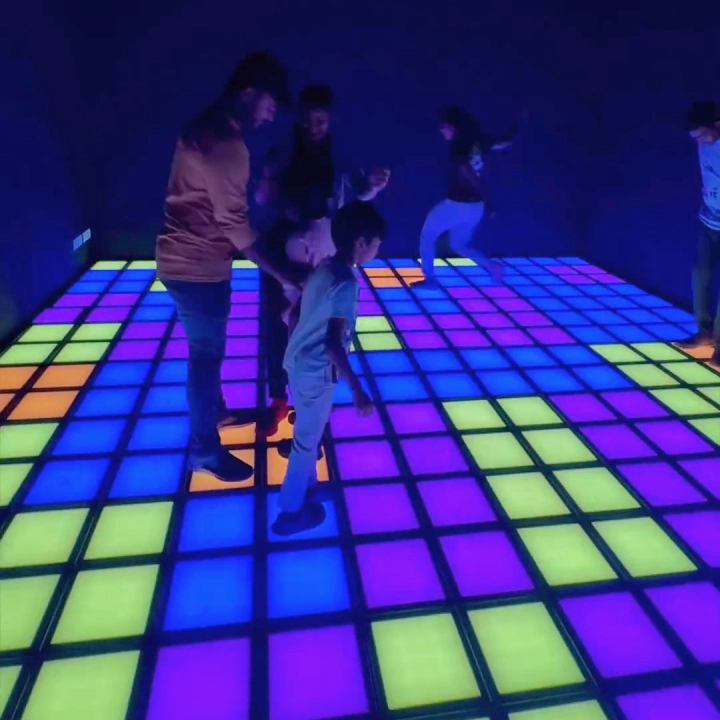
What Are the Installation Requirements for Interactive LED Action-Sensing Floor Tiles in Escape Rooms?
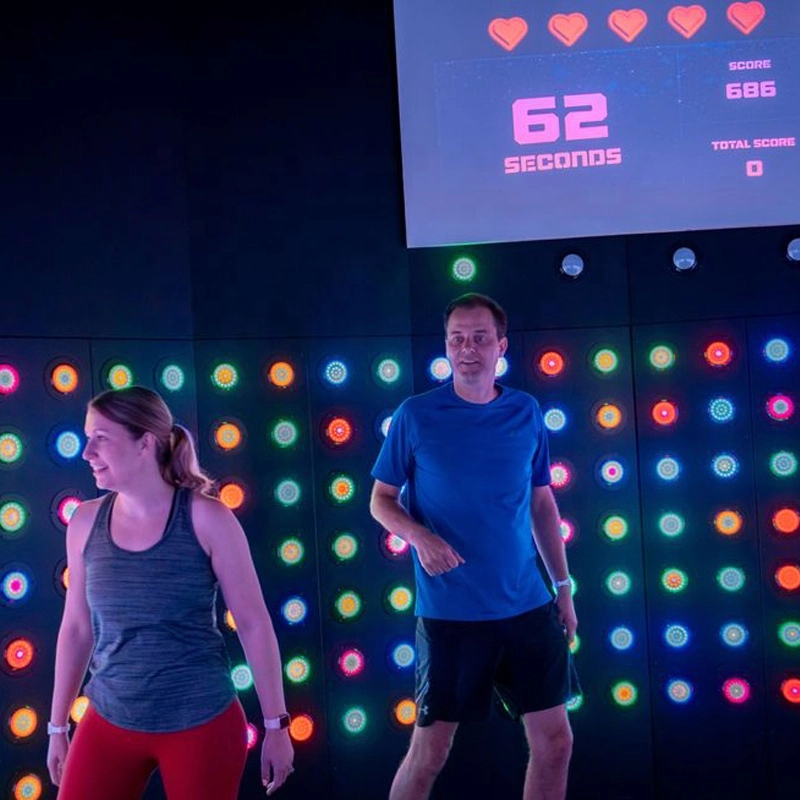
How to Set Up a Wall-Mounted LED Control System for a Push Button Activate Game?
Activate Games Price Guide: What Does It Cost to Build an Interactive Challenge Room?
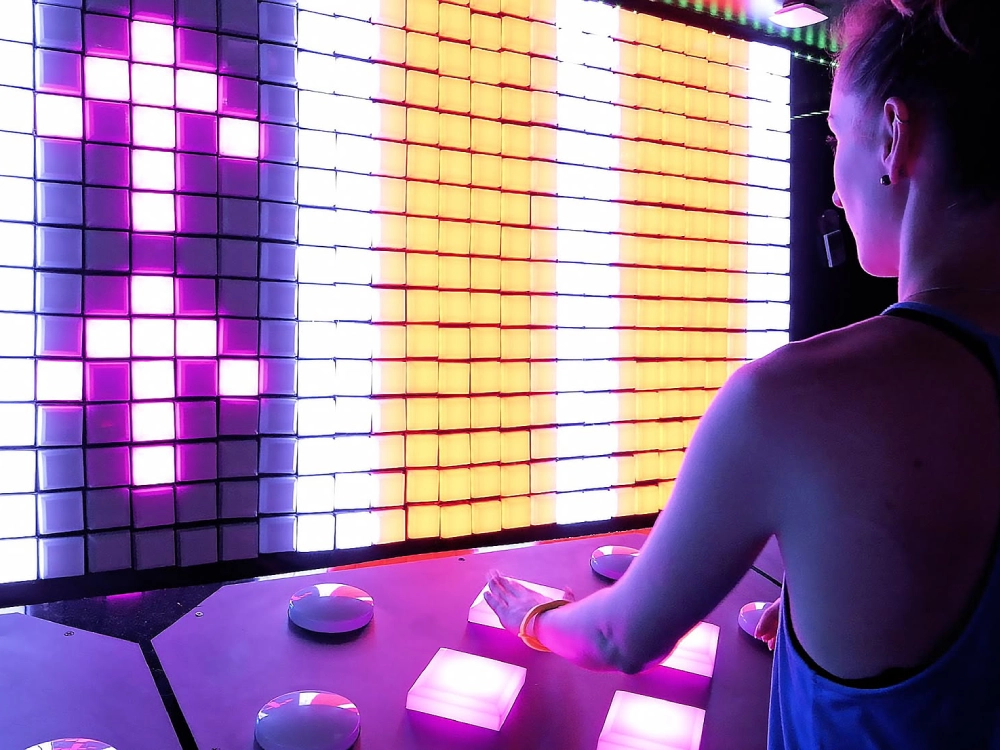
What Are Activate Games and Why Are They the Hottest FEC Attraction?

Can Action LED Floor Games Build Physical and Mental Strength?
Product details
How many players can play soccer at the same time?
Up to 4 players can play at the same time, you need to add more soccer balls.
Standard and other
Are you an amusement park equipment manufacturer?
Yes. We have our own production factory, which is located in Guangzhou, China, covering an area of over 2,000 square meters. With our professional production team, we are able to ensure high quality and on-time delivery of our products. All products have undergone rigorous testing and quality inspection. You are welcome to visit our factory.
What is the delivery time?
Usually the production period of our products is 20 to 25 days, it will be a little different according to the quantity of products you order. All products need to go through our strict quality inspection before shipment. After they are tested, we will ship them to you at the first time. For products in stock, we usually ship within 3 days.
How long is the warranty period?
Our products have a one-year warranty period. During the warranty period, if there are any issues with the product that are not caused by human error, we can replace the parts for you free of charge. If the problems are caused by improper use, you will need to purchase the parts and bear the shipping costs yourself.
Do you offer a customized service?
We can provide logo customization service for all of our products. For certain products, we can also support customization of sizes and game content. If you have any product customization requirements, please contact us and we will confirm the details with you.
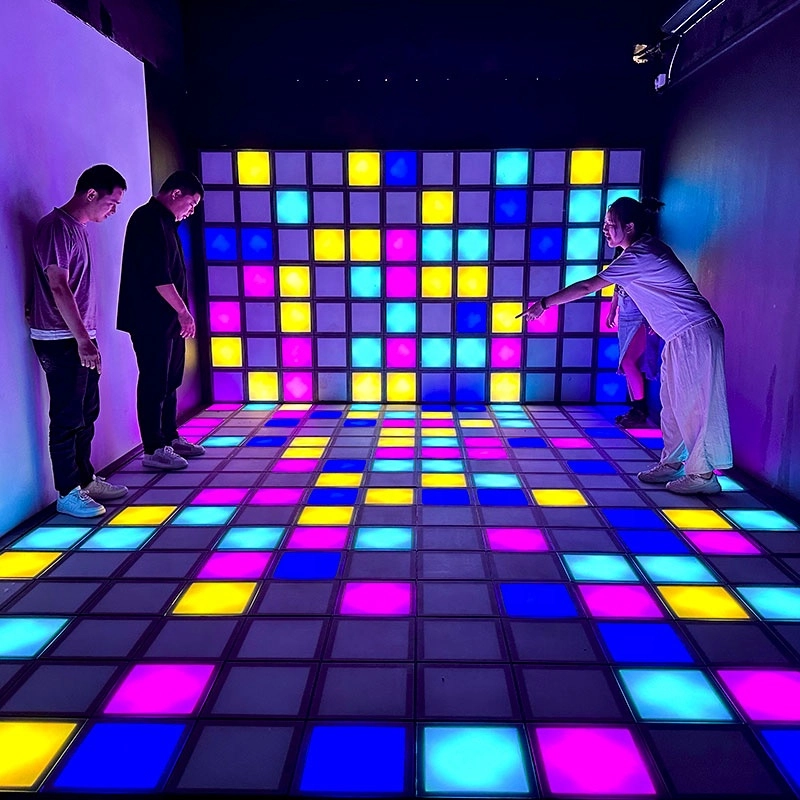
Hottest activated LED dance grid tiles floor touch games
Super Grid is an immersive sports game that combines sports and technology. It integrates interactive LED lights and sensors through innovative software design, creating a fun gaming experience.
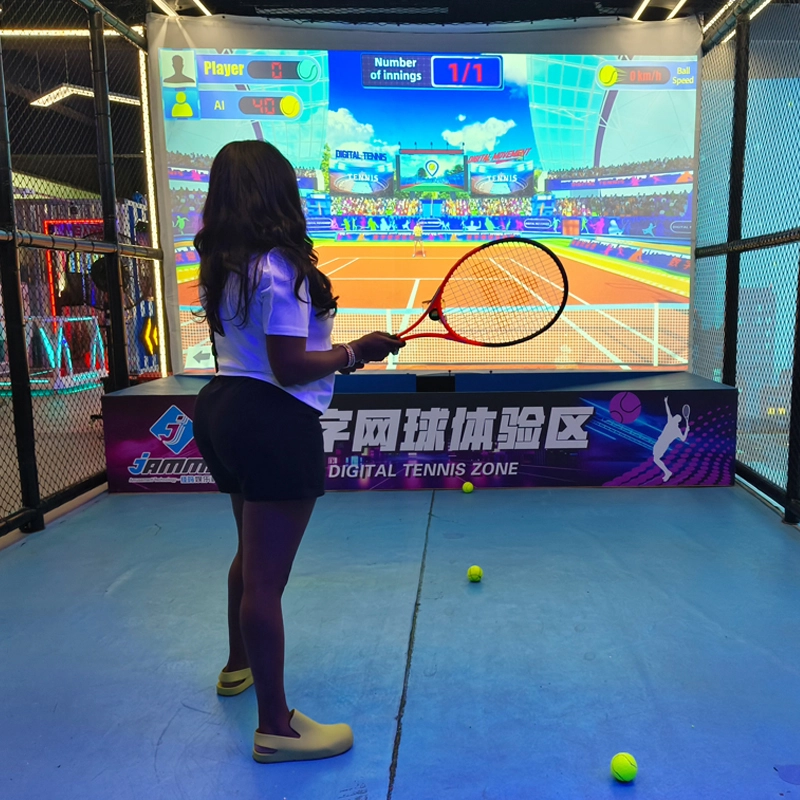
Top Indoor Tennis Racketball Training Simulator Dual Player Games
Interactive somatosensory fitness game
Combine traditional tennis sports with advanced 3D digital technology to bring customers an immersive tennis training experience
COMBINE TRADITIONAL TENNIS SPORTS WITH ADVANCED 3D DIGITAL TECHNOLOGY TO BRING CUSTOMERS AN IMMERSIVE TENNIS TRAINING EXPERIENCE INDOOR AND TENNIS EXPERIENCE HALL
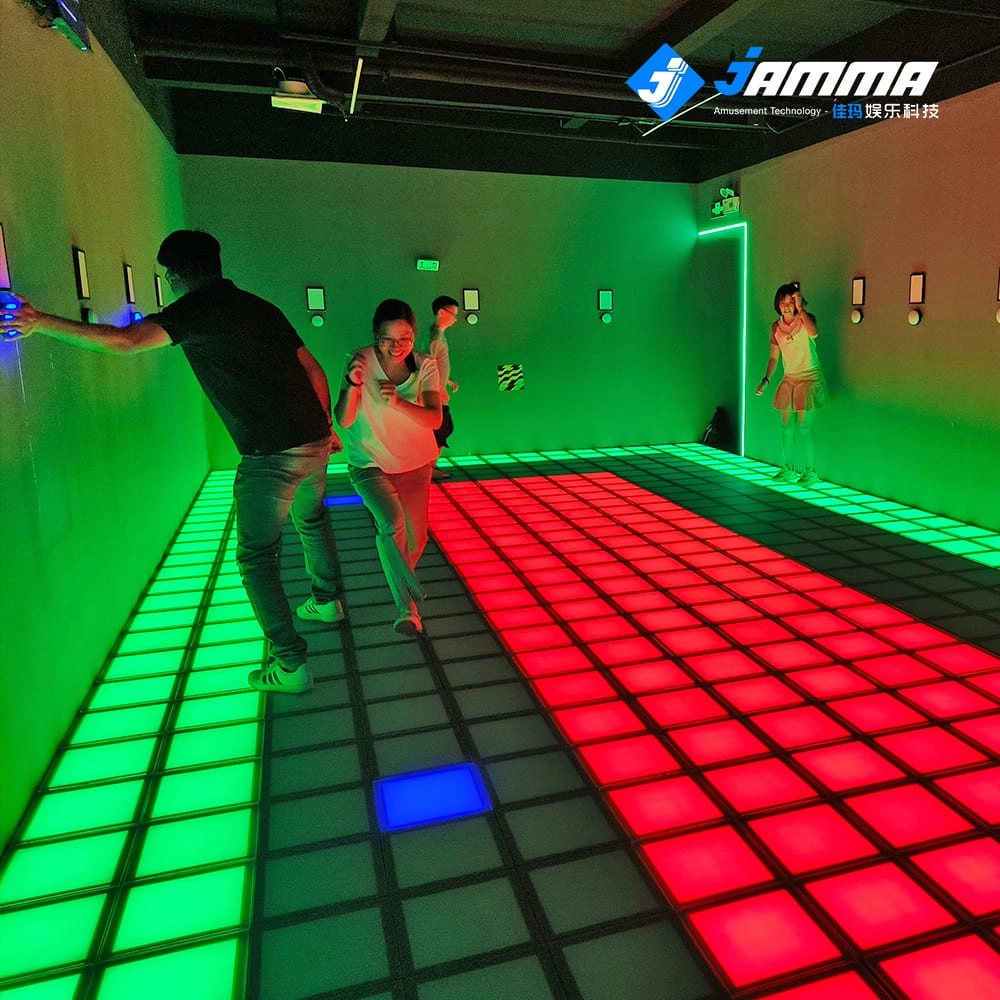
Super Grid Interactive LED Floor Activate Game Team Play
Super Grid is an immersive sports game that combines sports and technology. It integrates interactive LED lights and sensors through innovative software design, creating a fun gaming experience.
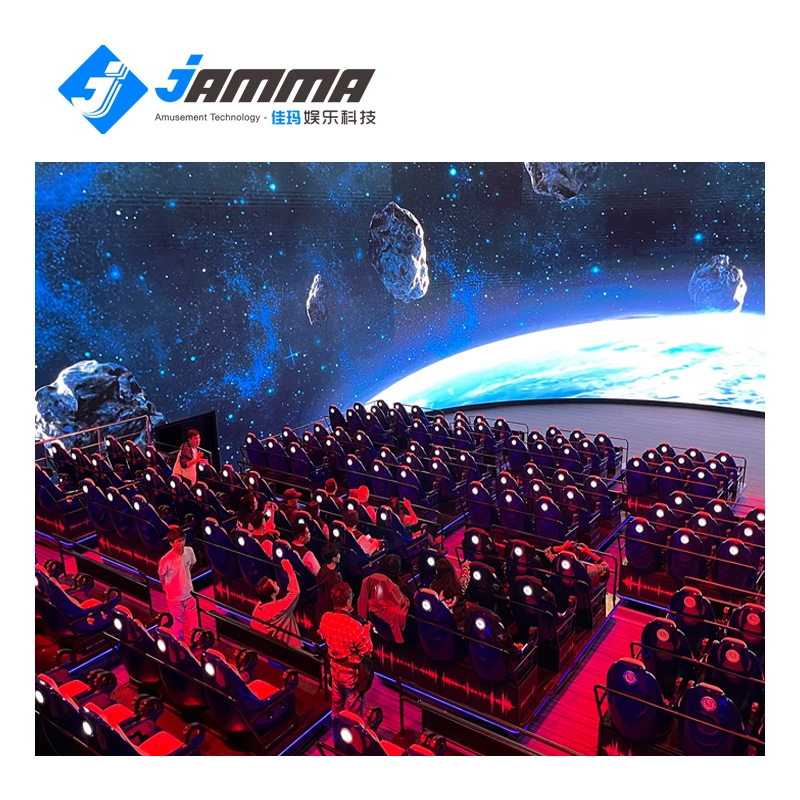
Immersive 5D/7D/9D cinema dynamic visual experience room
Compared with other types of theaters, 5D/7D/9D cinema have high technical content, prominent themes, and have a strong impact on the characteristics of the picture. With the increasing demand in the entertainment market and the continuous development of video entertainment technology, in the past, audiences would experience vibration, drop, rain, scratches and other effects in some 4D theaters, but now with 5D theaters, audiences can experience new Unique features, touch and feel effects such asreal smoke, water, snow, bubbles, smell, lightning, leg touch,camera system and more. When the audience is watching amovie, the seats and environmental effects will change into corresponding actions according to the development of the movie,allowing the audience to experience an immersive viewing experience.
Get in Touch With JAMMA
Would you like to learn more about indoor & outdoor playground equipment?
We would be happy to help you and find the best solution for your needs.
