

Child Development Benefits of Indoor Playgrounds
- How Indoor Playgrounds Support Early Childhood Growth
- Physical Development: Building Motor Skills and Health with an Indoor Playground
- Cognitive Development: Problem Solving, Executive Function, and Play-Based Learning in an Indoor Playground
- Social-Emotional Development: Cooperation, Communication, and Risk-Taking in an Indoor Playground
- Sensory and Emotional Regulation: Controlled Stimuli in an Indoor Playground
- Indoor Playground vs Outdoor Play: Complementary—not Competing
- Design Principles for Developmentally Optimized Indoor Playgrounds
- Programming and Staffing: Turning Equipment into Learning Opportunities
- Equipment Spotlight: How Specific Attractions Support Development in an Indoor Playground
- Case Comparison: Developmental Outcomes by Attraction Type
- Measuring Impact: KPIs and Evaluation for Indoor Playground Operators
- Safety, Inclusion, and Accessibility in an Indoor Playground
- JAMMA Amusement: One-Stop Solutions for Development-Focused Indoor Playgrounds
- Practical Takeaways for Parents, Educators, and Venue Operators
- FAQ — Common Questions About Indoor Playgrounds and Child Development
- 1. Are indoor playgrounds safe for young children?
- 2. How much time should a child spend in an indoor playground?
- 3. Can indoor playgrounds help children with sensory processing differences?
- 4. How should operators measure developmental impact?
- 5. Are tech-based attractions (VR, AR) beneficial or harmful?
- 6. How do I choose indoor playground equipment for developmental goals?
- Contact and Next Steps
- References
How Indoor Playgrounds Support Early Childhood Growth
Indoor playgrounds are more than entertainment venues: when designed and programmed intentionally they become powerful environments for child development. This article examines the specific developmental benefits of indoor playgrounds (physical, cognitive, social-emotional, and sensory), ties those benefits to design and equipment choices, compares indoor versus outdoor play, and offers operational recommendations for venue owners, early childhood educators, and parents. Practical evidence and references are included so decisions can be validated and implemented with confidence.
Physical Development: Building Motor Skills and Health with an Indoor Playground
Indoor playgrounds promote gross and fine motor development through climbing structures, balance elements, ball play, and manipulatives. Regular active play helps children build strength, coordination, cardiovascular fitness, and motor planning skills that form the foundation for sports and daily living activities.
Key considerations for maximizing physical development in an indoor playground:
- Provide age-zoned equipment to challenge different skill levels while limiting risk.
- Incorporate varied movement patterns—jumping, crawling, throwing, balancing—to promote motor diversity.
- Schedule guided activity sessions (e.g., obstacle courses or sports simulators) to teach technique and progression.
Evidence: World Health Organization and CDC recommend that children ages 3–17 engage in regular physical activity (about 60 minutes daily for school-aged children) to support healthy growth and reduce obesity risk; indoor play spaces can contribute meaningfully when outdoor options are limited (WHO 2020; CDC 2021).
Cognitive Development: Problem Solving, Executive Function, and Play-Based Learning in an Indoor Playground
Play is a primary vehicle for cognitive development. Indoor playgrounds that include manipulatives, puzzles, role-play zones, and interactive digital attractions (e.g., interactive projection games and VR experiences) stimulate attention, memory, planning, and creative problem-solving.
Design tips for cognitive enrichment:
- Include open-ended materials (blocks, loose parts) and sensory tables to foster exploration and hypothesis testing.
- Use immersive attractions and projection games to create narrative-driven challenges that require sequencing and strategy.
- Rotate features periodically to introduce novelty, which promotes attention and learning.
Social-Emotional Development: Cooperation, Communication, and Risk-Taking in an Indoor Playground
Indoor playgrounds provide socially rich contexts for children to practice communication, emotional regulation, sharing, negotiation, and cooperative problem-solving. Features like team-based interactive projection games or multiplayer VR experiences encourage turn-taking, leadership, and empathy.
Operational and programming strategies:
- Offer structured group sessions (e.g., birthday party cooperative games or guided team challenges) to scaffold social skills.
- Train staff in positive behavior guidance and conflict resolution techniques to model social language.
- Create mixed-age windows where older children can mentor younger peers under supervision—this can accelerate social competence for both groups.
Sensory and Emotional Regulation: Controlled Stimuli in an Indoor Playground
Many children benefit from consistent, predictable sensory experiences. Indoor playgrounds can be intentionally designed with quiet zones, soft-play areas, and sensory paths to help children modulate arousal and practice self-regulation.
Design elements to support sensory development:
- Include a sensory room or corner with tactile panels, weighted cushions, and dimmable lighting.
- Offer graduated exposure to sensory-rich attractions (from low to high intensity) to build tolerance in neurodiverse children.
- Use signage and trained staff to help families choose appropriate activities based on sensory needs.
Indoor Playground vs Outdoor Play: Complementary—not Competing
While outdoor play has unique benefits (e.g., exposure to natural environments and varied terrain), indoor playgrounds offer advantages when weather, urban density, safety concerns, or operational needs limit outdoor access. The two settings are complementary; operators and caregivers should think in terms of a balanced play diet.
| Domain | Indoor Playground Strengths | Outdoor Play Strengths |
|---|---|---|
| Weather Reliability | Year-round accessibility, climate control | Natural light and fresh air |
| Safety & Supervision | Designed for fall zones, padded surfaces, trained staff | Open spaces for running; variable terrain aids adaptive motor skills |
| Sensory Experience | Controlled sensory zones and low-stimuli options | Rich multisensory stimuli (wind, textures, ecological diversity) |
| Technology Integration | Immersive attractions, AR/VR, interactive projections possible | Limited tech integration; generally low-tech play |
Reference: CDC and pediatric guidelines recommend daily active play regardless of location; indoor playgrounds help achieve recommended activity when outdoor options are unavailable (CDC 2021).
Design Principles for Developmentally Optimized Indoor Playgrounds
To maximize developmental benefits, operators should follow these evidence-informed design principles:
- Age zoning and progressive challenge: Provide toddler-safe areas and separate zones for preschool and school-age children.
- Inclusive design: Ensure accessibility for children with mobility or sensory differences (ramps, tactile signage, quiet zones).
- Modular and adaptable equipment: Allows reconfiguration to maintain novelty and match programmatic goals.
- Integrated learning themes: Use narrative or educational themes (science, sports, arts) to connect play to curriculum objectives.
- Hygiene and safety systems: Non-porous surfaces, regular cleaning protocols, and clear staff procedures for incidents.
Programming and Staffing: Turning Equipment into Learning Opportunities
Equipment alone won’t produce developmental outcomes—programming and staff matter. Trained staff who lead guided play sessions, coach motor skills, and facilitate social interactions significantly increase learning outcomes.
Recommended staffing and program practices:
- Hire staff with early childhood or recreation training; provide ongoing professional development.
- Offer structured sessions (e.g., motor skills classes, story-based projection games, sport simulator clinics) alongside free play periods.
- Engage families with take-home tips and parent-child sessions to reinforce development at home.
Equipment Spotlight: How Specific Attractions Support Development in an Indoor Playground
Certain modern attractions provide measurable benefits when used intentionally:
- Sports Simulators: Improve gross motor skills, coordination, and rule-based learning; useful for introducing sport fundamentals in a controlled environment.
- Interactive Projection Games: Encourage cooperative play, problem-solving, and rapid decision-making with immediate sensory feedback.
- Immersive Attractions & VR Games: Offer narrative-rich contexts that enhance cognitive flexibility, spatial reasoning, and language through guided scenarios—best used with time limits and supervision for younger children.
Case Comparison: Developmental Outcomes by Attraction Type
| Attraction | Primary Developmental Benefits | Best Practices |
|---|---|---|
| Sports Simulators | Coordination, motor planning, rule comprehension | Short coached sessions; age-appropriate difficulty |
| Interactive Projection Games | Teamwork, attention, problem-solving | Multi-player modes; staff-facilitated cooperative challenges |
| Immersive Attractions | Story comprehension, memory, spatial reasoning | Pre-briefing and debriefing; sensory moderation |
| Soft-Play & Sensory Areas | Fine motor skills, sensory integration, emotional regulation | Accessible layout; quiet retreat options |
Measuring Impact: KPIs and Evaluation for Indoor Playground Operators
Operators should track both business and developmental KPIs to demonstrate impact and guide improvements. Useful indicators include:
- Session participation rates by age group
- Repeat visitation and membership retention
- Parent-reported outcomes (e.g., observed motor improvements, social behaviors)
- Pre/post program assessments for structured classes (basic motor skill checklists, social behavior rubrics)
Collecting structured feedback and simple observational data can validate the developmental value offered by the indoor playground and support marketing and partnership opportunities with schools and pediatric practices.
Safety, Inclusion, and Accessibility in an Indoor Playground
Safety standards and inclusive design are non-negotiable. Follow industry safety guidelines for surfacing and fall heights, implement clear cleaning routines, and design for universal access so children of all abilities can benefit.
Operators should consult local regulatory bodies and standards (e.g., ASTM F1487 for playground equipment in the U.S. or equivalent local standards) and ensure staff are trained in first aid and inclusive facilitation.
JAMMA Amusement: One-Stop Solutions for Development-Focused Indoor Playgrounds
JAMMA Amusement was established in 2009 in Guangzhou and has 15 years of experience in the amusement industry. We focus on providing high-value, one-stop solutions for amusement projects. Our product portfolio includes VR games, AR sports simulators, AR interactive projection games, 5D cinema, arcade games, and outdoor playground equipment. Our offerings are designed to support developmental outcomes by combining safety, interactivity, and modular design.
Why partner with JAMMA:
- Industry experience: 15 years of project delivery and continuous product development.
- Comprehensive solutions: From concept and design to manufacturing and after-sales support.
- Product strengths: Sports Simulators, Interactive Projection Games, Immersive Attractions, VR Games—each engineered for reliability and developmental engagement.
- Technical capability: An industry-leading R&D team keeps products updated with the latest technologies and educational trends.
- Customer-focused service: High-efficiency international sales and skilled manufacturing and after-sales teams ensure prompt, professional support.
JAMMA is committed to becoming a leading global provider of amusement equipment and park solutions. Learn more and request a consultation at https://www.jammapark.com/.
Practical Takeaways for Parents, Educators, and Venue Operators
To ensure that an indoor playground truly benefits child development, follow these practical steps:
- Choose or design spaces with age-appropriate zones, inclusive access, and a mix of guided and free-play options.
- Integrate technology (e.g., sports simulators and interactive projection games) mindfully—use it to scaffold skills rather than replace physical, social play.
- Train staff in early childhood development principles so interactions amplify learning opportunities.
- Measure and communicate developmental outcomes to caregivers and partners to build trust and encourage repeat visits.
FAQ — Common Questions About Indoor Playgrounds and Child Development
1. Are indoor playgrounds safe for young children?
Yes, when they follow industry safety standards, use appropriate surfacing, provide age-segregated zones, and have trained staff. Operators should adhere to local safety regulations and implement routine maintenance and cleaning protocols.
2. How much time should a child spend in an indoor playground?
Short, frequent sessions are often best—30 to 90 minutes depending on age and activity intensity. For school-aged children, indoor play can contribute toward the recommended daily physical activity (about 60 minutes). Monitor fatigue and overstimulation, especially with high-intensity attractions or VR experiences.
3. Can indoor playgrounds help children with sensory processing differences?
Yes—when designed with sensory zones, quiet retreats, and graduated experiences. Inclusive features and staff trained in sensory-friendly strategies make indoor playgrounds valuable for neurodiverse children.
4. How should operators measure developmental impact?
Combine participation metrics (visitation, repeat visits) with parent-reported outcomes and simple pre/post assessments for structured programs. Use standardized checklists for motor skills and social behaviors when running classes.
5. Are tech-based attractions (VR, AR) beneficial or harmful?
Tech attractions can enhance cognitive and motor development when used in moderation with clear learning objectives. Best practices include supervised sessions, age-appropriate content, time limits, and integration with physical and social play.
6. How do I choose indoor playground equipment for developmental goals?
Prioritize modular, age-zoned equipment that supports varied movement patterns, includes sensory elements, and allows for programmatic use (e.g., coachable sports simulators, projection game areas). Work with experienced suppliers who provide design and after-sales support.
Contact and Next Steps
If you are planning an indoor playground project and want to maximize child development outcomes, JAMMA Amusement can help. We offer turn-key solutions—from concept and product selection to installation and after-sales support—focused on Sports Simulators, Interactive Projection Games, Immersive Attractions, and VR Games that align with developmental objectives. Contact us for a consultation or to view our product catalog: https://www.jammapark.com/.
References
- World Health Organization. Guidelines on physical activity, sedentary behaviour and sleep for children under 5 years of age. WHO. 2019. https://www.who.int/news-room/fact-sheets/detail/physical-activity (accessed 2025-12-10)
- Centers for Disease Control and Prevention (CDC). Physical Activity Facts. CDC. 2021. https://www.cdc.gov/healthyschools/physicalactivity/facts.htm (accessed 2025-12-10)
- American Academy of Pediatrics. The Importance of Play in Promoting Healthy Child Development and Maintaining Strong Parent-Child Bond: Focus on Children in Poverty. Pediatrics. 2018. https://pediatrics.aappublications.org/ (accessed 2025-12-10)
- National Association for the Education of Young Children (NAEYC). Developmentally Appropriate Practice. NAEYC. https://www.naeyc.org/resources/topics/dap (accessed 2025-12-10)
- ASTM International. ASTM F1487 - Standard Consumer Safety Performance Specification for Playground Equipment for Public Use. ASTM. https://www.astm.org/Standards/F1487.htm (accessed 2025-12-10)
Tips for buy interactive shooting simulator in France
The interactive water slide Cost Guide
Top dark rides Manufacturers and Suppliers in Europe
Tips for Wholesale bowling center equipment for sale in Africa
Standard and other
How long is the warranty period?
Our products have a one-year warranty period. During the warranty period, if there are any issues with the product that are not caused by human error, we can replace the parts for you free of charge. If the problems are caused by improper use, you will need to purchase the parts and bear the shipping costs yourself.
Are you an amusement park equipment manufacturer?
Yes. We have our own production factory, which is located in Guangzhou, China, covering an area of over 2,000 square meters. With our professional production team, we are able to ensure high quality and on-time delivery of our products. All products have undergone rigorous testing and quality inspection. You are welcome to visit our factory.
Product details
Does the soccer simulator configuration include the curtain?
Yes, a 4-meter-wide, 3-meter-high projection curtain is included.
Can I customize the number of seats of 5D cinema?
Yes, we generally have options for six, nine, eighteen, twenty-four, and thirty-six seats, and the quantity of seats also can be customized.
How many players can play soccer at the same time?
Up to 4 players can play at the same time, you need to add more soccer balls.
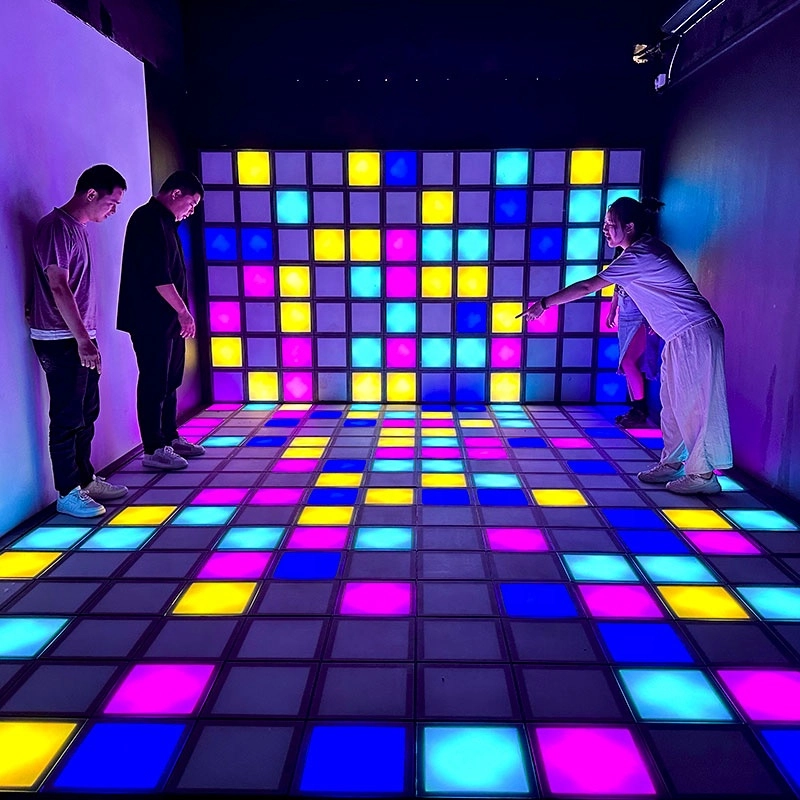
Hottest activated LED dance grid tiles floor touch games
Super Grid is an immersive sports game that combines sports and technology. It integrates interactive LED lights and sensors through innovative software design, creating a fun gaming experience.
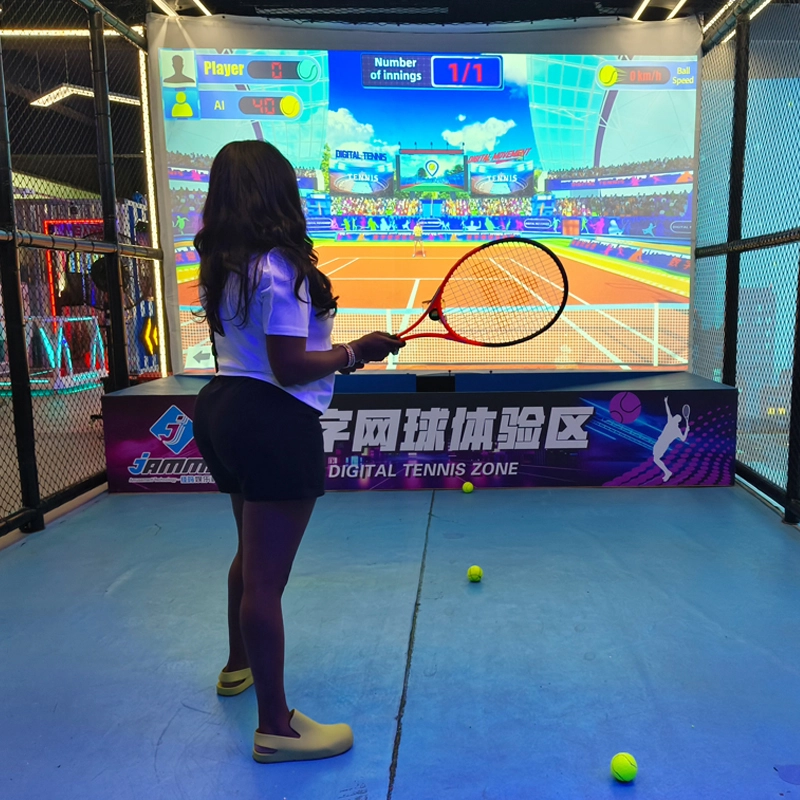
Top Indoor Tennis Racketball Training Simulator Dual Player Games
Interactive somatosensory fitness game
Combine traditional tennis sports with advanced 3D digital technology to bring customers an immersive tennis training experience
COMBINE TRADITIONAL TENNIS SPORTS WITH ADVANCED 3D DIGITAL TECHNOLOGY TO BRING CUSTOMERS AN IMMERSIVE TENNIS TRAINING EXPERIENCE INDOOR AND TENNIS EXPERIENCE HALL
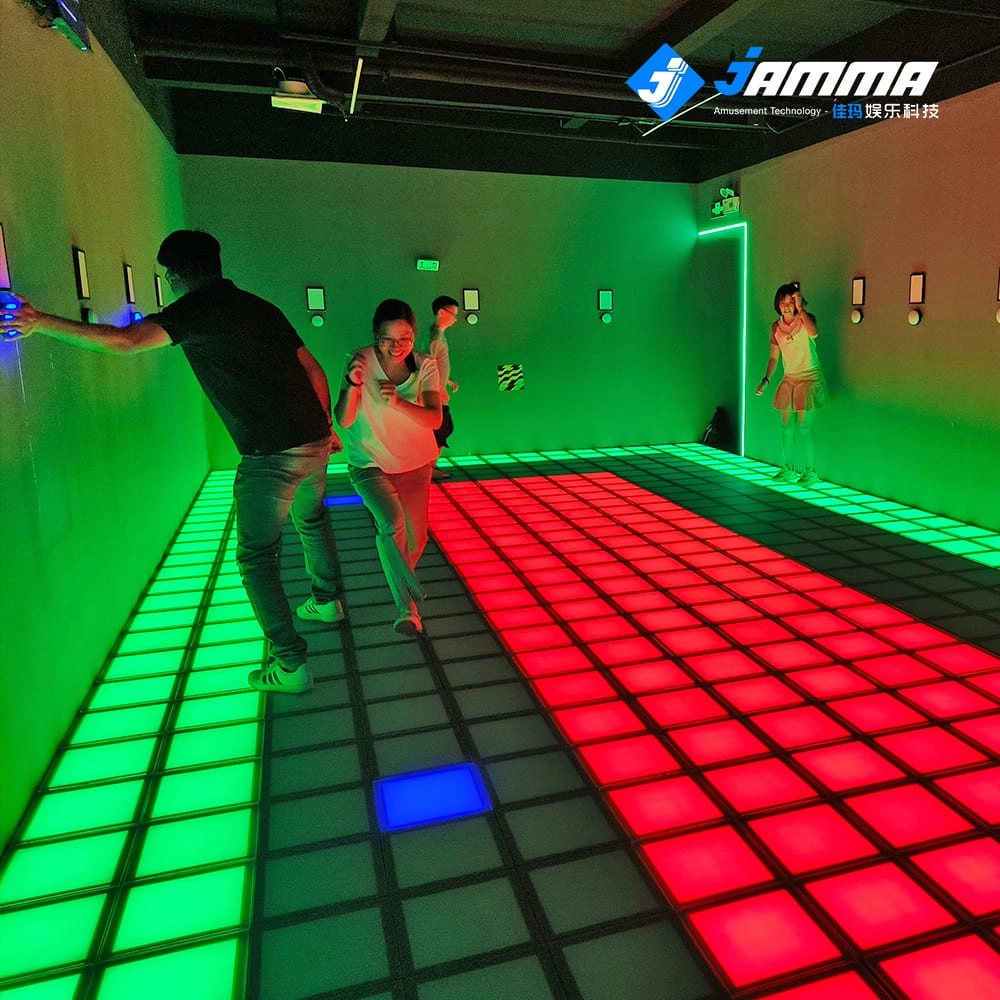
Super Grid Interactive LED Floor Activate Game Team Play
Super Grid is an immersive sports game that combines sports and technology. It integrates interactive LED lights and sensors through innovative software design, creating a fun gaming experience.
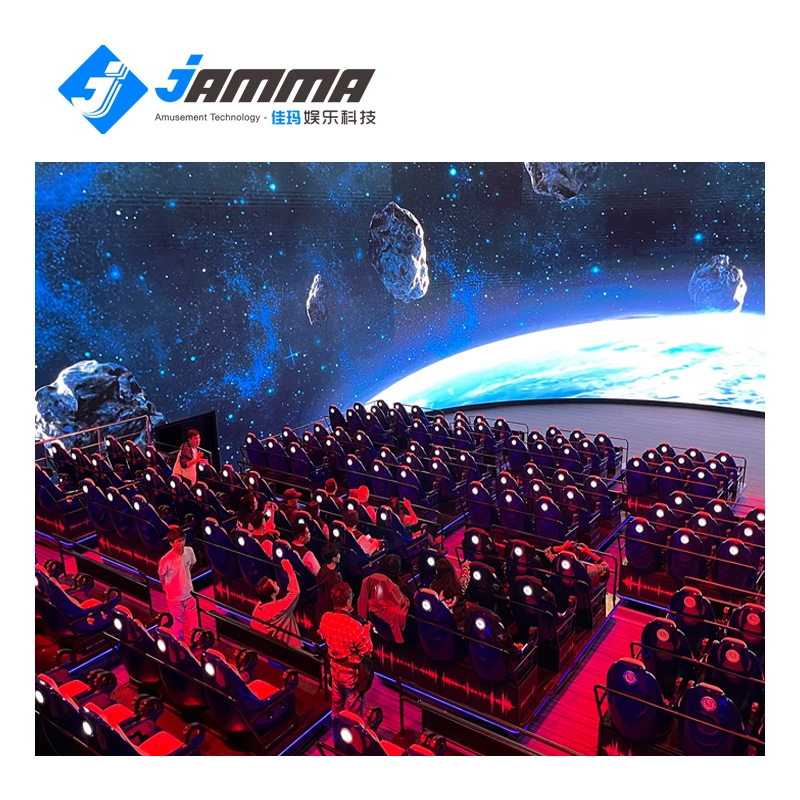
Immersive 5D/7D/9D cinema dynamic visual experience room
Compared with other types of theaters, 5D/7D/9D cinema have high technical content, prominent themes, and have a strong impact on the characteristics of the picture. With the increasing demand in the entertainment market and the continuous development of video entertainment technology, in the past, audiences would experience vibration, drop, rain, scratches and other effects in some 4D theaters, but now with 5D theaters, audiences can experience new Unique features, touch and feel effects such asreal smoke, water, snow, bubbles, smell, lightning, leg touch,camera system and more. When the audience is watching amovie, the seats and environmental effects will change into corresponding actions according to the development of the movie,allowing the audience to experience an immersive viewing experience.
