

Interactive LED Basketball Arcade Games: Optimizing Hoop Height & Commercial ROI
Investing in interactive LED basketball arcade machines offers a futuristic edge for modern entertainment venues. By strictly balancing hoop height ergonomics with immersive sensory technology, operators can overcome the physical challenges of dark room environments to deliver a high-quality player experience. Ultimately, these systems are not just games but powerful tools for increasing foot traffic and driving significant commercial ROI through advanced gamification.
- Introduction: The Evolution of Dark Room Arcade Sports
- Defining the Interactive LED Basketball Experience
- The Shift from Traditional 'Pop-a-Shot' to Immersive Tech
- Why 'Dark Room' Environments are Trending
- The Science of Immersion: Light, Vision, and Gameplay
- How LED Backboards and Projection Mapping Influence Accuracy
- Addressing Depth Perception Challenges in Low-Light
- The Psychology of Visual Feedback
- Hoop Height Dynamics: Ergonomics & Difficulty Balancing
- Standard vs. Adjustable Heights: From 7ft to 10ft
- The Impact of Verticality on Player Fatigue
- Customizing Height for Gamified Fitness
- Technical Specifications for Commercial Installation
- Space Planning for Multiplayer Units
- Hardware Requirements: Sensor Precision
- Integration with Venue Management
- Maximizing Business ROI with Gamification
- Leveraging Leaderboards and Social Competition
- Case Studies: Interactive vs. Static Machines
- Branding for Corporate Events
- Conclusion
- FAQs
- Contact Us
The modern entertainment landscape is undergoing a radical transformation. As traditional amusement centers compete with home VR headsets and mobile gaming, the "out-of-home" entertainment sector has pivoted toward high-fidelity, physical experiences that cannot be replicated in a living room. At the forefront of this revolution is the commercial arcade basketball machine.
Gone are the days of simple mechanical scoring switches and static wire cages. Today’s market is dominated by multiplayer sports simulators that fuse physical athleticism with digital immersion. These systems utilize advanced interactive projection mapping, high-speed sensors, and LED technology to create "gamified fitness" environments. However, for venue operators, investing in this technology requires more than just buying a flashy machine; it requires an understanding of the optical science behind dark room depth perception, the ergonomics of hoop height, and the strategies to maximize Commercial ROI.
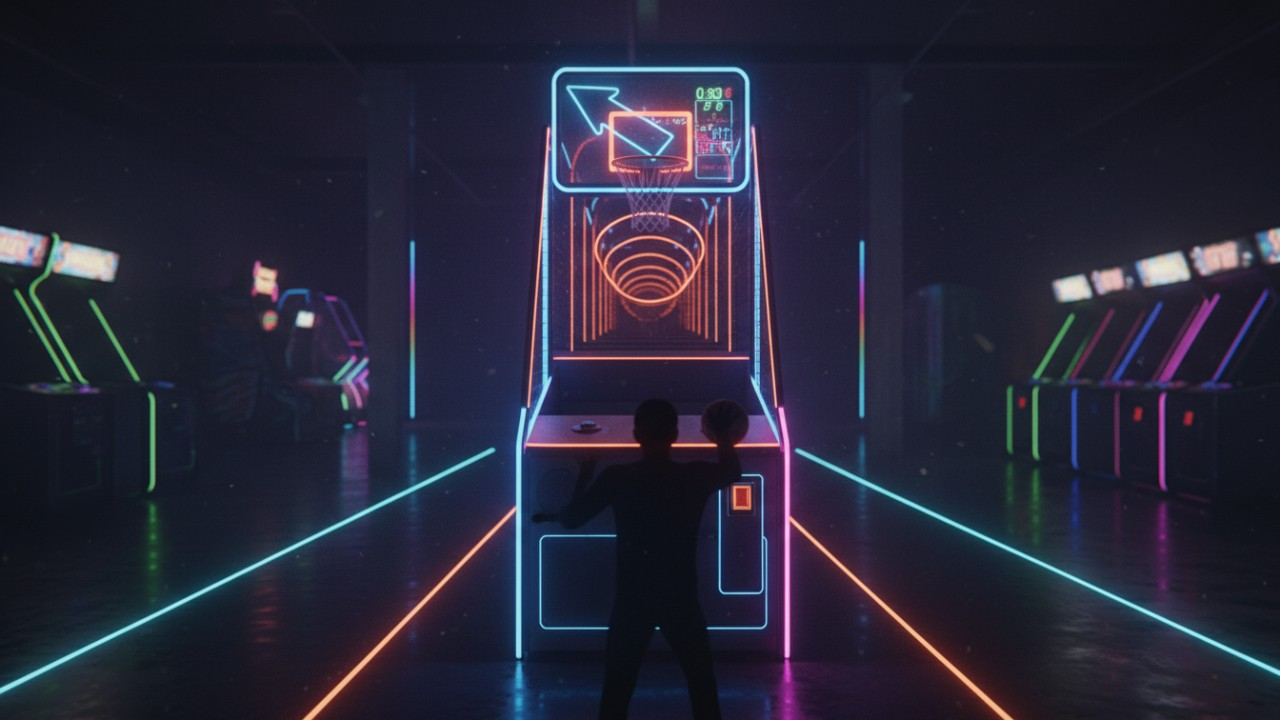
dark room depth perception
This comprehensive guide explores the technical and business dynamics of the next generation of interactive LED basketball games.
Introduction: The Evolution of Dark Room Arcade Sports
Defining the Interactive LED Basketball Experience
The concept of arcade basketball has existed for decades, originating with simple mechanical assemblies known colloquially as "Pop-a-Shot" style games. These early iterations relied on physical contact switches and basic red-segment LED scoreboards. However, the modern iteration is a sophisticated piece of gamified fitness technology. It replaces static backboards with high-definition screens or projection surfaces, allowing the gameplay to change dynamically. The physical ball remains, but the targets, enemies, and power-ups are digital, projected directly onto the backboard in real-time.
The Shift from Traditional 'Pop-a-Shot' to Immersive Tech
The transition from mechanical to digital allows for a "mixed reality" experience. According to the history of the Arcade game, the industry has always survived by offering technology that consumers cannot access at home. In the 1980s, this was superior graphics; today, it is the physical integration of sports and digital feedback. Modern machines allow players to compete globally, track stats via mobile apps, and engage in game modes that resemble "Boss Battles" rather than simple free-throw contests.
Why 'Dark Room' Environments are Trending
"Dark Room" arcades—venues that utilize low ambient lighting to accentuate neon, LED, and projection effects—are trending rapidly. This aesthetic serves two purposes:
1. Visual Impact: It allows for vibrant interactive projection mapping without light pollution washing out the visuals.
2. Focus: It isolates the player's attention solely on the illuminated gameplay area, inducing a psychological "flow state" that encourages repeated play.
The Science of Immersion: Light, Vision, and Gameplay
Deploying a commercial arcade basketball machine in a dark environment introduces unique optical challenges. Operators must understand how human vision functions in low light to optimize the player's ability to score.
How LED Backboards and Projection Mapping Influence Accuracy
Interactive projection mapping is the technology used to turn irregularly shaped objects (like a basketball backboard) into a display surface for video projection. By mapping digital content directly onto the physical rim and backboard, the game can provide instant visual feedback—such as the rim catching fire (digitally) after a streak of baskets.
According to technical definitions of Projection mapping, this technique adds extra dimensions and optical illusions to static objects. In a basketball context, this means the backboard can shift from a standard court view to a moving target system, requiring players to adjust their aim dynamically.
Addressing Depth Perception Challenges in Low-Light
One of the critical challenges in dark room arcades is dark room depth perception. Human vision relies on cues such as texture gradient, lighting, and shading to determine how far away an object is. In a dark room, many of these monocular cues disappear.
Depth perception in low light (scotopic vision) is significantly reduced compared to well-lit environments (photopic vision) because the eyes rely more on rods than cones, which are less effective at detecting color and fine detail. To counteract this, high-end LED basketball machines use high-contrast lighting on the rim itself. By illuminating the physical rim with bright LED strips, the machine provides a strong "binocular cue" that helps the player's brain triangulate distance, ensuring that the low-light environment does not frustrate the player by making the hoop invisible.
The Psychology of Visual Feedback
The loop of "Action -> Immediate Visual Reward" is the core of addictive gameplay. When a ball passes through the hoop, sensors trigger an explosion of light and sound. This immediate gratification releases dopamine, reinforcing the behavior. In a dark room, the contrast between the darkness and the sudden explosion of light makes the reward feel more significant, increasing the "stickiness" of the game.
Hoop Height Dynamics: Ergonomics & Difficulty Balancing
For a commercial arcade basketball machine to be profitable, it must be accessible to casual players while remaining challenging for competitive users. The physical height of the hoop is the single most important variable in this equation.
Standard vs. Adjustable Heights: From 7ft to 10ft
The standard height for a professional basketball hoop is 10 feet (3.05 meters), a regulation governed by organizations like the NBA and FIBA. However, in an arcade setting, a rigid 10ft hoop can alienate younger players or casual groups.
According to Backboard (basketball) standards, regulation backboards help shooters determine aim. In arcades, machines often feature linear actuators that allow the hoop to move between:
· 7 to 8 Feet (Junior/Casual): Ideal for children and casual social gaming where the goal is fun rather than simulation accuracy.
· 9 to 10 Feet (Pro/League): Required for competitive leagues and serious training.
The Impact of Verticality on Player Fatigue
The height of the hoop directly influences player fatigue. A 10ft shot requires significantly more kinetic energy than an 8ft shot. In a "pay-per-play" model, operator fatigue can be a double-edged sword. While it provides a good workout—aligned with the benefits of Exergaming—too much fatigue too quickly can shorten the play session.
Smart operators utilize adjustable height settings based on the time of day. During family hours (afternoons), lower hoop heights encourage longer sessions for kids. Late at night, raising hoops to 10ft attracts competitive adult groups who want to prove their skill.
Customizing Height for Gamified Fitness
By integrating hoop height adjustments into the gameplay (e.g., the hoop physically moving up as the player levels up), the machine becomes a dynamic workout tool. This taps into the growing market for gamified fitness technology, where users are willing to pay for entertainment that also provides a verifiable caloric burn.
Technical Specifications for Commercial Installation
Investing in multiplayer sports simulator hardware requires due diligence regarding physical footprints and sensor reliability.
Space Planning for Multiplayer Units
To maximize revenue per square foot, these machines are rarely installed as single units. A "Bank" of 2 to 4 machines is standard to enable multiplayer competition.
· Single Unit Width: Typically 30-35 inches.
· Depth: 8-10 feet (to allow for the ball return ramp and player stance).
· Vertical Clearance: A minimum of 11-12 feet is recommended to accommodate the arc of a shot on a 10ft hoop without the ball hitting the ceiling.
Hardware Requirements: Sensor Precision
The most critical component of a digital basketball machine is the scoring sensor. Cheap units use mechanical paddle switches which are prone to breaking. Commercial-grade units use Optical or Infrared (IR) Beam Sensors.
· Latency: The sensor must register the score in under 10 milliseconds to ensure the projection mapping effects trigger instantly.
· Durability: The sensors must be encased in high-impact polycarbonate to withstand thousands of ball strikes.
Integration with Venue Management
Modern machines are IoT (Internet of Things) devices. They should integrate with standard card-swipe systems (Embed, Intercard) and provide backend data on:
· Games Played per Hour: Identifying peak usage times.
· Average Score: Helping operators tweak difficulty settings.
· Maintenance Alerts: Notifying staff if a ball gate is jammed or a sensor is blocked.
Maximizing Business ROI with Gamification
The difference between a machine that breaks even and one that generates significant profit lies in how well it utilizes Gamification strategies.
Leveraging Leaderboards and Social Competition
Gamification is the application of game-design elements and game principles in non-game contexts. For arcade basketball, this means Global Leaderboards. When a player scans a QR code to log in, their stats should persist.
· ROI Impact: Players return to the venue specifically to defend their high score or beat a rival’s score. This transforms a one-time customer into a recurring visitor.
Case Studies: Interactive vs. Static Machines
Data from entertainment centers suggests that interactive projection mapping units command a higher price per play ($2.00 - $3.00) compared to static mechanical units ($1.00). Furthermore, the visual spectacle of an LED-lit court attracts "spectators"—friends who watch the game and often decide to play the next round, effectively increasing the "group capture rate."
Branding for Corporate Events
The digital nature of the backboard offers a secondary revenue stream: Advertising. For corporate venue buyouts, the backboard can project the client’s logo or specific branded messages. This capability makes the machine not just a game, but a customizable billboard for events, justifying higher rental fees for the venue.
Conclusion
Investing in interactive LED basketball arcade machines offers a futuristic edge for modern entertainment venues. By strictly balancing hoop height ergonomics with immersive sensory technology, operators can overcome the physical challenges of dark room depth perception to deliver a high-quality player experience.
The convergence of interactive projection mapping, robust sensor hardware, and dynamic difficulty adjustment transforms these units from simple distractions into sophisticated multiplayer sports simulators. Ultimately, these systems are not just games but powerful tools for increasing foot traffic and driving significant commercial ROI through advanced gamification.
FAQs
Q: How does a dark room environment affect basketball shooting accuracy?
A: Low light significantly alters depth perception by removing texture cues that eyes use to judge distance. Advanced systems counteract this with high-contrast LED rims and projection markers to help players visualize distance and maintain aim, effectively guiding the player's vision despite the low ambient light.
Q: What is the standard hoop height for interactive arcade basketball games?
A: While regulation height is 10 feet, commercial arcade units often feature adjustable mechanisms ranging from 7 to 10 feet. This flexibility is crucial for accommodating children, casual players, and competitive leagues within the same venue.
Q: Are these systems suitable for commercial use?
A: Yes, they are specifically designed for high-traffic venues like arcades and sports bars. They feature robust, encased sensors, heavy-duty steel frames, and backend analytics for revenue tracking, ensuring they can withstand thousands of plays per week.
Q: How do sensors work in LED basketball games?
A: These games typically use optical or infrared sensors located inside the rim. These sensors generate a beam of light; when the ball breaks the beam, it registers a score with high precision (often sub-10ms), triggering real-time visual effects and score updates instantly.
Contact Us
Ready to transform your venue with high-ROI immersive sports technology? Contact us today to discuss custom LED basketball solutions tailored to your entertainment center's needs.
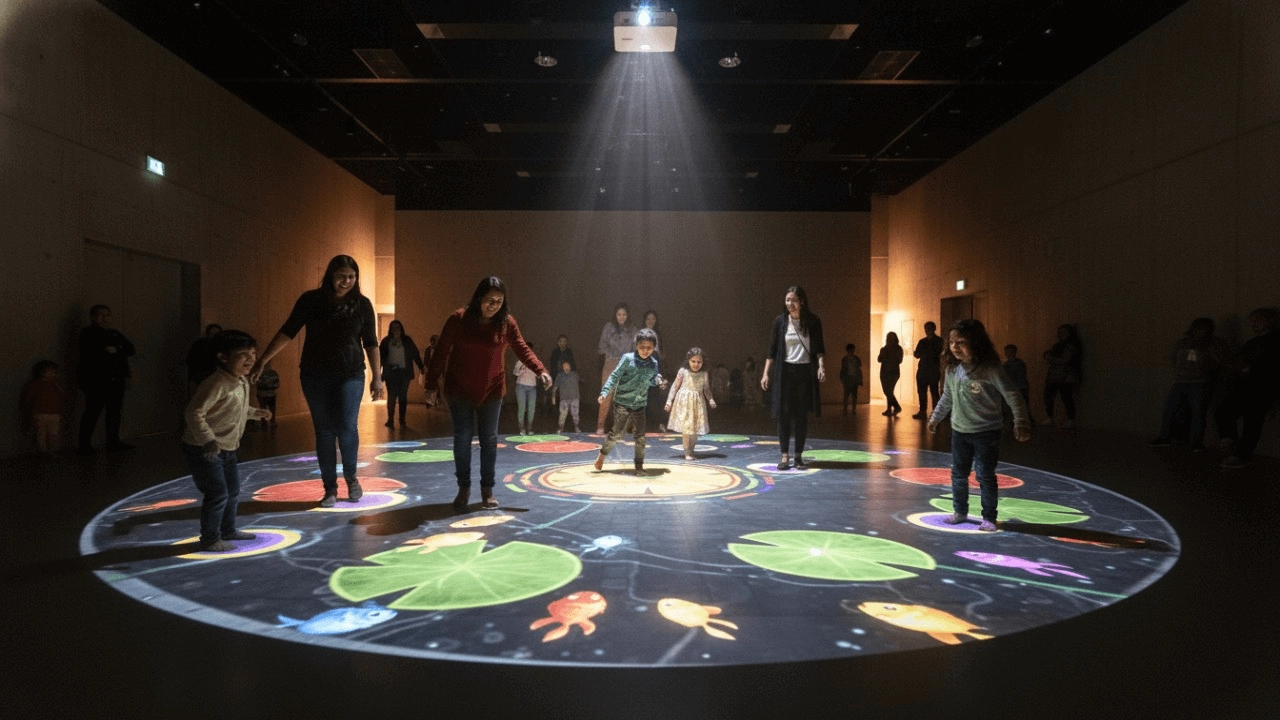
Immersive Event LED Display Floor Projection Solution for Game Clubs: Is This the Hottest Interactive Experience Today?
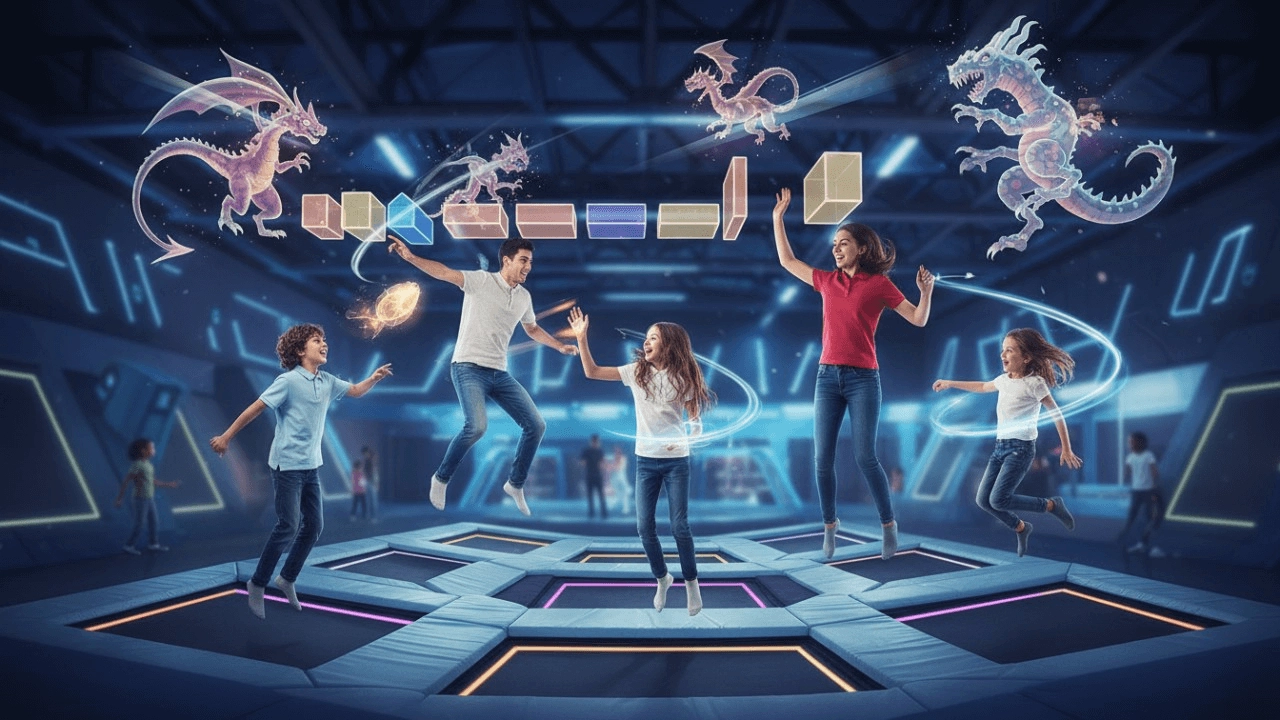
Commercial Interactive Trampoline Systems: The 2025 Buyer's Guide to Boosting ROI
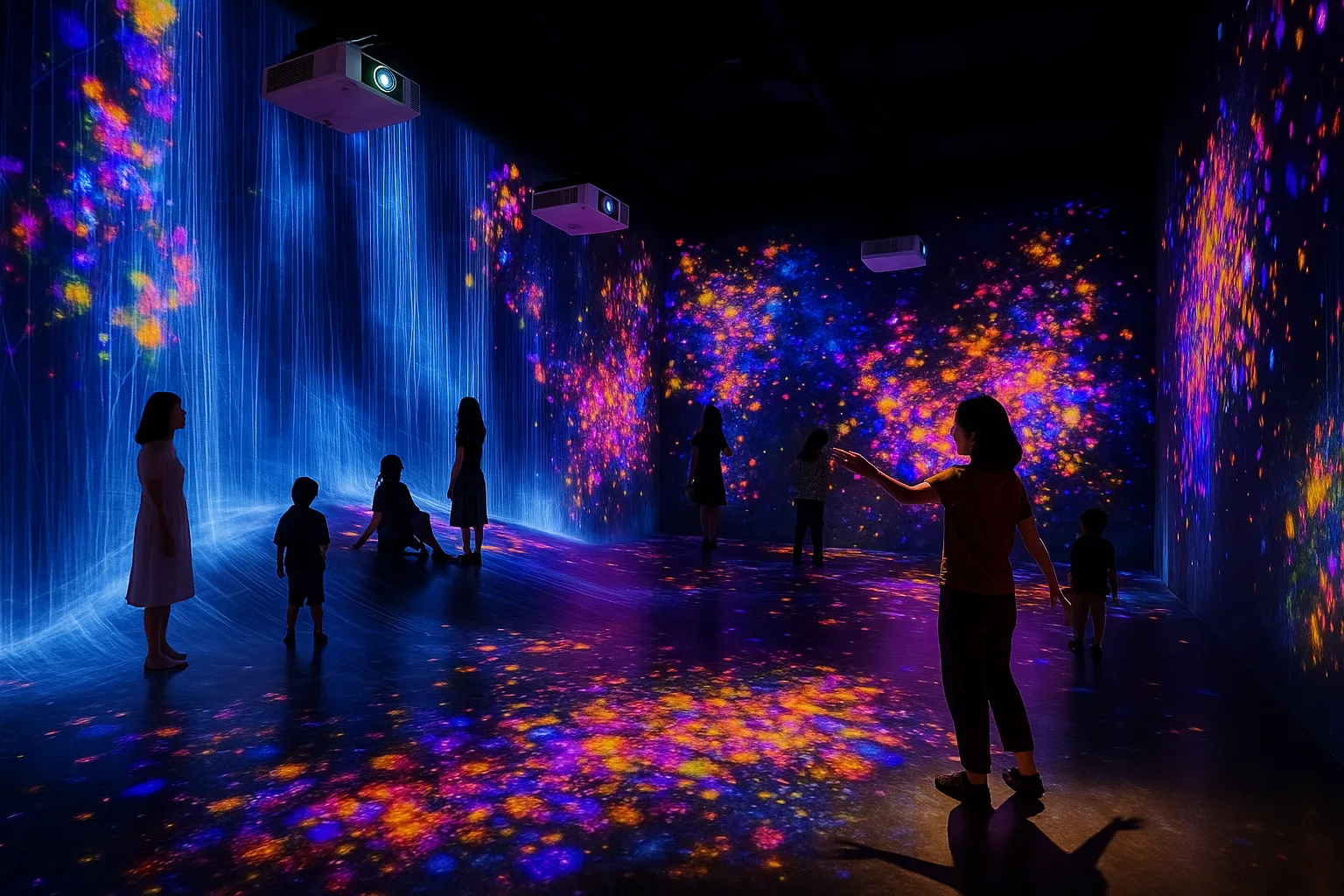
How Can Immersive Beam Projector Systems Transform Escape Rooms? A Complete Configuration & Application
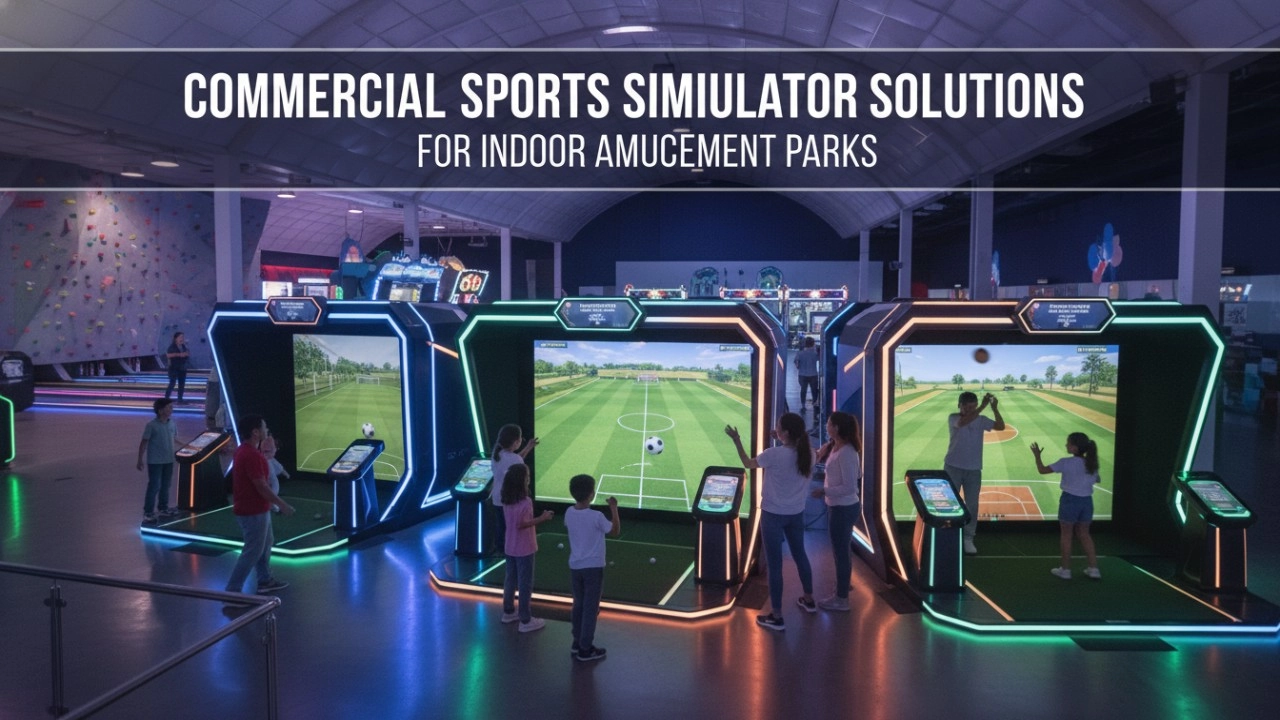
Commercial Sports Simulator Solutions for Indoor Amusement Parks: The 2026 Strategic ROI Guide
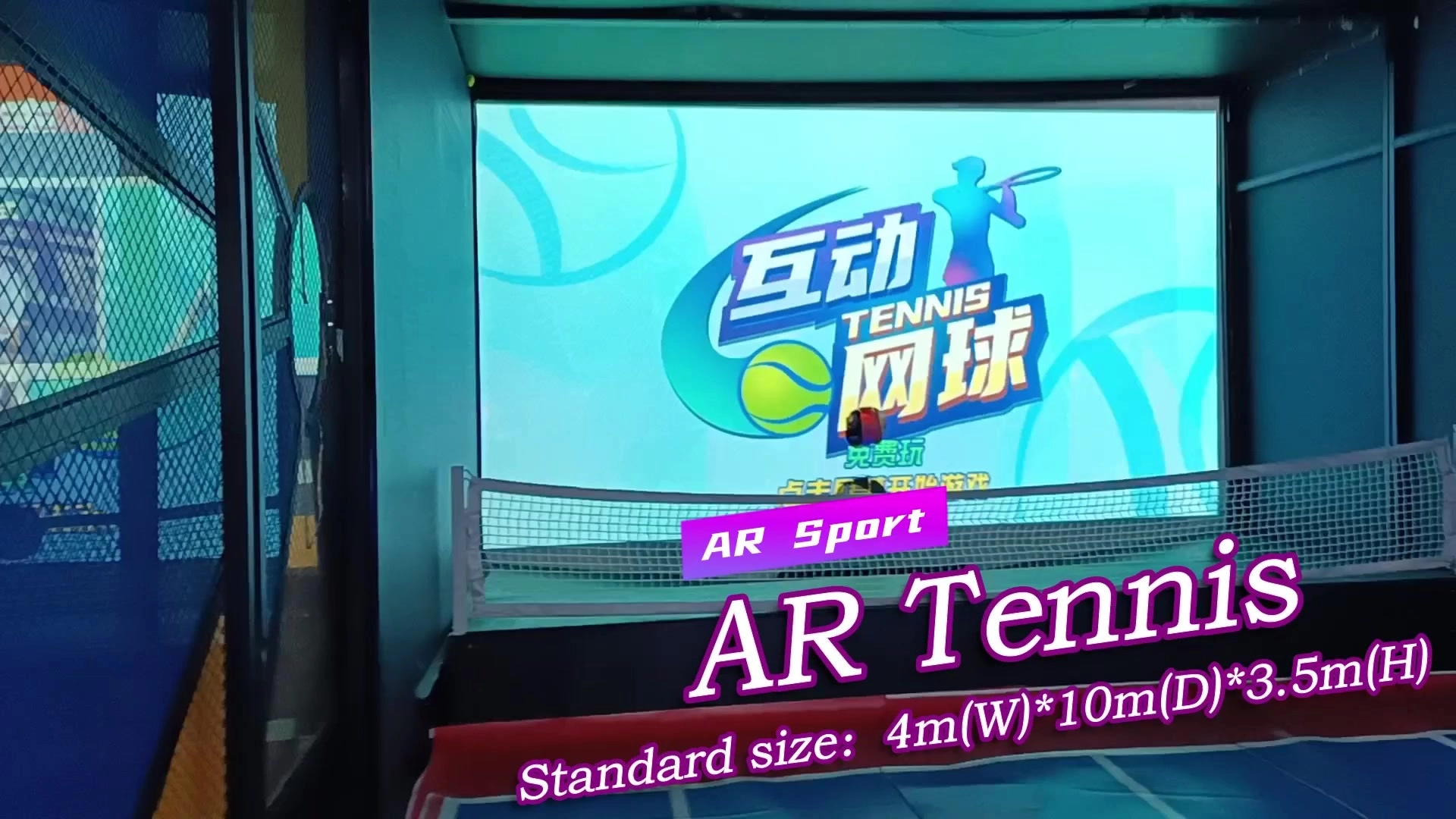
Installation of a High-Performance Tennis Training Simulator at a Sports Center: Is It Worth the Investment?
Product details
How many players can play soccer at the same time?
Up to 4 players can play at the same time, you need to add more soccer balls.
Are glasses required to see a 5D film?
Audience needs to wear 3D glasses while watching movie, but not VR glasses.
Standard and other
Do you offer a customized service?
We can provide logo customization service for all of our products. For certain products, we can also support customization of sizes and game content. If you have any product customization requirements, please contact us and we will confirm the details with you.
Do you offer installation services?
Our professional implementation team can provide equipment installation and debugging services to ensure smooth operation. Our installation services is chargeable and you can contact us in to inquire about the service fees.
Are you an amusement park equipment manufacturer?
Yes. We have our own production factory, which is located in Guangzhou, China, covering an area of over 2,000 square meters. With our professional production team, we are able to ensure high quality and on-time delivery of our products. All products have undergone rigorous testing and quality inspection. You are welcome to visit our factory.
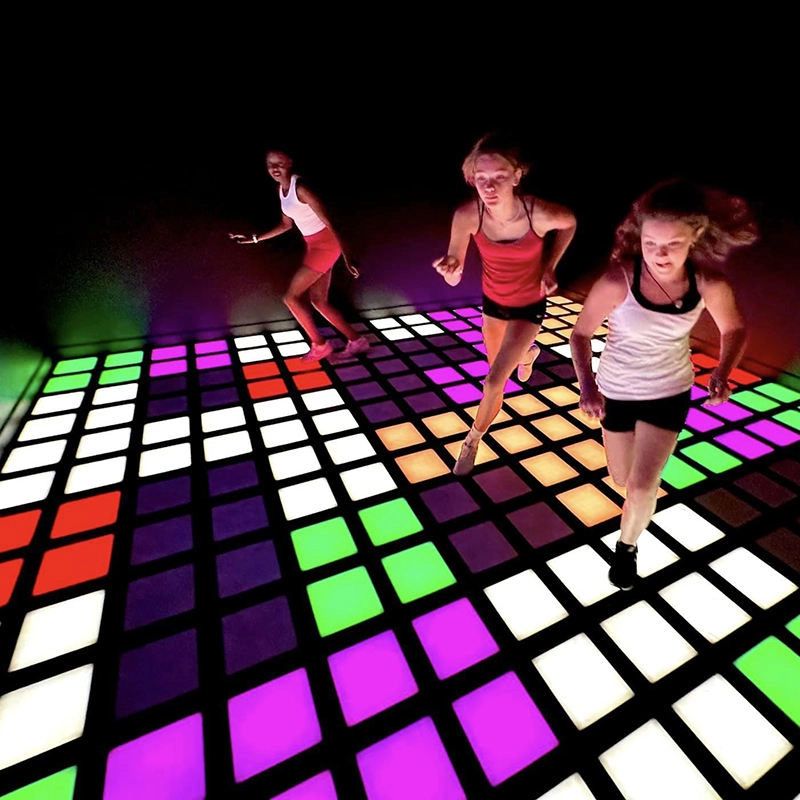
Hottest activated LED dance grid tiles floor touch games
Super Grid is an immersive sports game that combines sports and technology. It integrates interactive LED lights and sensors through innovative software design, creating a fun gaming experience.

Interactive Rock Climbing Wall Activation led Team Challenge Game For Kids
-
"Climb" is a challenging game that simulates cliff climbing, testing players' strategy and skill.
-
The game simulates the scenario of climbing a cliff, where players need to stand on the edge of a narrow "cliff" and grab the holders on the walls to cross the room.
- Each level increases in difficulty. This game tests coordination, agility and strategy.
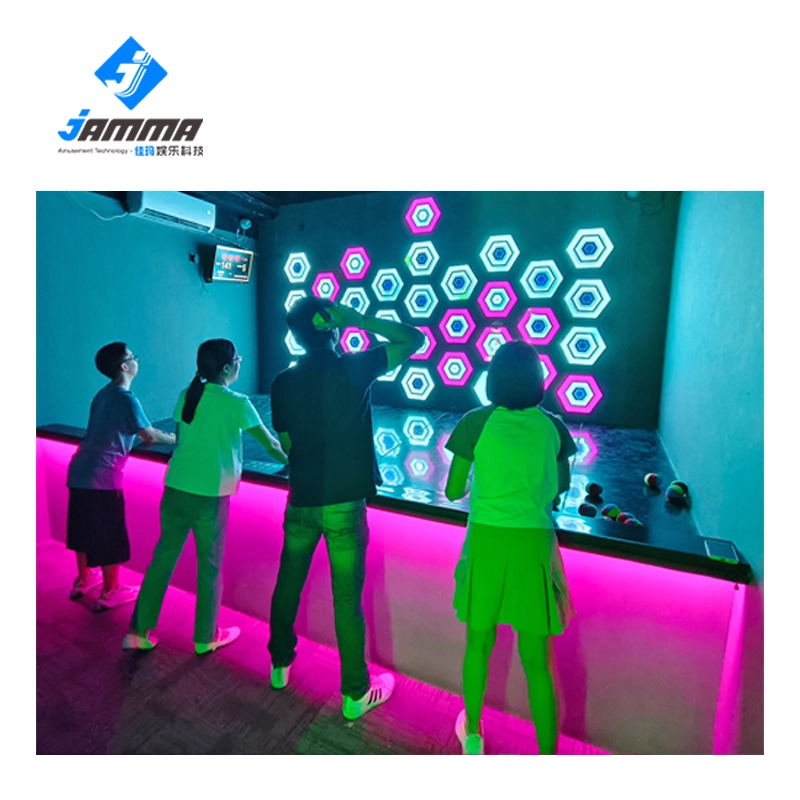
Arena Activate Wall led Room Challenge Game Experience
-
Arena game innovatively digitizes dodgeball. Players need to hit all the specific glowing hexagon targets on the wall with sandbags according to game rules within the time limit. Don't miss the mark.
Correctly recognize the target hexagons and quickly hit the beaming bullseye while avoiding the other hexagons, eliminate all the glowing targets to pass the level. This game tests players' quick graphic recognition, reaction speed and precision.
Get in Touch With JAMMA
Would you like to learn more about indoor & outdoor playground equipment?
We would be happy to help you and find the best solution for your needs.
