

Installing a Multi-sport Simulator: Tips for Operators
- Why Operators Choose Multi-sport Simulators
- Assessing Venue Requirements Before Installing a Multi-sport Simulator
- Choosing the Right Multi-sport Simulator Hardware and Software
- Installation Best Practices and Site Preparation for a Commercial Multi-sport Simulator
- Operational Considerations: Staffing, Training, and Maintenance
- Maximizing Revenue from a Multi-sport Simulator: Pricing Models and Cross-selling
- Safety, Compliance, and Insurance for Multi-sport Simulator Venues
- JAMMA Amusement — a One-stop Partner for Multi-sport Simulator Projects
- Why JAMMA Is a Strong Choice for Operators Installing a Multi-sport Simulator
- Technology, Support and Differentiators
- FAQ — Common Questions Operators Ask About Multi-sport Simulators
- 1. How much floor space is required to install a Multi-sport Simulator?
- 2. What are the main ongoing costs after installation?
- 3. How long does installation take?
- 4. Can a Multi-sport Simulator be used for coaching and training in addition to entertainment?
- 5. What should I look for in a vendor SLA and warranty?
- 6. Are there upsell opportunities tied to a Multi-sport Simulator?
- 7. How do I measure success and ROI for a simulator installation?
- Contact & Next Steps
- References
Why Operators Choose Multi-sport Simulators
Multi-sport simulator attractions are rapidly becoming core revenue drivers for entertainment venues, sports centers, and family entertainment centers. Operators select a Multi-sport Simulator because it delivers high-repeat play, broad age appeal, low consumable costs, and flexible footprints—from compact single-bay installations to multi-court centers. This guide gives operators actionable, experience-based tips for planning and installing a Multi-sport Simulator that delivers consistent guest satisfaction and predictable ROI.
Assessing Venue Requirements Before Installing a Multi-sport Simulator
Before you buy a commercial Multi-sport Simulator, perform a structured site assessment. Focus on physical footprint, ceiling height, power and network availability, traffic flows, and adjacent operations that could create noise or vibration. Key checks include:
- Space and layout: Confirm clear floor area and recommended safety buffer. Many simulators require 3.5–6 m (11–20 ft) of depth for unimpeded play and tracking; exact dimensions depend on system type and sports offered.
- Ceiling height: Determine maximum vertical clearance required for projection arcs and player motion—some setups need 2.7–4 m (9–13 ft).
- Power and network: Verify dedicated circuits, surge protection, UPS/back-up for critical systems, and wired Ethernet for low-latency connections. Wi‑Fi alone is often insufficient for multi-player, high-framerate systems.
- Acoustics and environmental control: Simulators that use speakers and mechanical actuators benefit from acoustic treatments to reduce noise bleed; HVAC should maintain comfort during active play.
- Accessibility and compliance: Ensure the space meets local accessibility and fire code requirements for occupancy and egress.
Document the assessment with photos, measurement sketches, and a checklist to share with vendors and installers.
Choosing the Right Multi-sport Simulator Hardware and Software
Selecting hardware and software is the core technical decision. Prioritize systems that balance accuracy, uptime, and total cost of ownership. Key decision points are sensor/tracking technology, game library, integration capability, and serviceability.
Common tracking architectures include optical camera systems, radar/doppler sensors, infrared motion capture, and inertial-sensor-based wearables. Each has trade-offs in cost, precision, lighting dependence, and maintenance. The following table summarizes typical characteristics operators should weigh:
| Tracking Type | Accuracy | Environmental Sensitivity | Maintenance | Typical Commercial Cost Range |
|---|---|---|---|---|
| Optical camera-based (markerless) | High for position/velocity | Sensitive to lighting and reflective surfaces | Moderate (lens cleaning, occasional recalibration) | Medium–High |
| Infrared/marker-based systems | Very high with markers | Robust, but markers require handling | Higher (marker replacements, calibration) | High |
| Radar/Doppler & ultrasonic | Medium for speed detection | Less affected by lighting | Low–Moderate | Low–Medium |
| Inertial wearables (IMUs) | Good for limb motion; drift over time | Insensitive to lighting | Moderate (charging, replacements) | Low–Medium |
Software is equally important: look for a multi-sport content library (baseball, golf, soccer, hockey, training drills), operator analytics (usage, session length, popular modes), remote-update capability, and modularity so you can add new content without large hardware upgrades.
Installation Best Practices and Site Preparation for a Commercial Multi-sport Simulator
Professional installation reduces downtime and long-term service costs. Best practices include:
- Pre-installation meeting: Walk through the site with the vendor/installer using your assessment documents and confirm equipment delivery, staging area, anchor points, and installation schedule.
- Floor and structure: Use vibration-damping pads under heavy components and ensure flooring supports mounted hardware. Confirm load-bearing specs for any suspended equipment.
- Anchoring and alignment: Precise mechanical alignment of sensors, projectors, and screens is critical—use laser levels and alignment jigs provided by the manufacturer.
- Network setup: Configure wired VLANs for simulator traffic, set static IPs where necessary, and use QoS rules for streaming telemetry. Ensure secure remote access for vendor diagnostics.
- Calibration and acceptance testing: Perform manufacturer-recommended calibration routines and run a predefined acceptance test script (tracking accuracy, latency checks, multi-player sync) before signing off.
Operational Considerations: Staffing, Training, and Maintenance
Operators need to plan for daily operations and long-term serviceability. Key recommendations:
- Staff training: Provide role-based training—front-line hosts should know onboarding flows, session starts, safety briefings, and basic resets; technicians should receive in-depth training on calibration and component replacement.
- Operating procedures: Create SOPs for session setup, cleaning (sanitizing wearables), troubleshooting steps, and incident reporting. Include checklists for opening/closing.
- Preventive maintenance: Schedule weekly visual checks, monthly calibration verifications, and annual professional servicing. Keep a small inventory of common spare parts (fuses, cables, markers, wearables).
- Remote monitoring and SLA: Choose vendors that offer remote diagnostics and define SLAs for response times and parts replacement to minimize revenue loss from downtime.
Maximizing Revenue from a Multi-sport Simulator: Pricing Models and Cross-selling
Multi-sport Simulators support flexible monetization. Match pricing to your market and the user experience you want to deliver.
- Per-play pricing: Simple and effective for casual guests. Offer single-play, multi-play bundles, and dynamic pricing during peak hours.
- Hourly bookings: Works well for parties, team practice, and pro lessons—hourly rates encourage extended use and add-ons (coaching, video analysis).
- Memberships and packages: Monthly passes or credits promote repeat visits and predictable cash flow.
- Cross-sell: Combine simulator time with food, party rooms, private lessons, or retail (branded equipment). Offer tiered experiences—standard game mode versus advanced analytics with coach review at a High Quality.
Comparison table — typical pros/cons of revenue models:
| Model | Best for | Pros | Cons |
|---|---|---|---|
| Per-play | Casual walk-ins | Simple, low-friction | Lower per-session revenue |
| Hourly bookings | Parties, teams | Higher revenue per session | Requires scheduling management |
| Memberships | Frequent users | Predictable cash flow | Potential underutilization if not marketed |
Safety, Compliance, and Insurance for Multi-sport Simulator Venues
Safeguarding customers and your business reduces liability and builds trust. Key measures:
- Written safety briefings and visible signage describing age/height limits, required footwear, and prohibited items.
- Physical barriers or buffer zones between active bays and spectator areas.
- Routine inspection logs for harnesses, wearables, and anchors where applicable.
- Appropriate liability insurance—discuss simulator-specific language with your broker (participant liability, equipment breakdown, and business interruption cover).
- Incident protocols: Train staff in basic first aid and document all incidents. Retain CCTV where allowed for incident review.
JAMMA Amusement — a One-stop Partner for Multi-sport Simulator Projects
For operators seeking a turnkey provider, JAMMA Amusement offers 15 years of experience designing, manufacturing, and supporting amusement attractions. Established in 2009 in Guangzhou, JAMMA focuses on high-value, one-stop solutions for amusement projects. Our product portfolio includes Sports Simulators (including Multi-sport Simulators), VR games, AR sports simulators, AR interactive projection games, 5D cinema, arcade games, and outdoor playground equipment.
Why JAMMA Is a Strong Choice for Operators Installing a Multi-sport Simulator
JAMMA combines a highly efficient international sales team with an industry-leading technical development group and experienced manufacturing and after-sales teams. Core advantages include:
- Project consultancy: JAMMA’s sales team works with operators to assess site constraints, forecast ROI, and recommend configurations that match venue traffic and demographics.
- Technical depth: The R&D team continuously updates simulator software and hardware to improve tracking accuracy, add sports content, and enhance operator analytics.
- Manufacturing and QA: In-house production enables consistent quality control and faster iteration of custom features.
- After-sales support: JAMMA provides installation assistance, remote diagnostics, spare parts supply, and training for staff to keep attractions operating at peak performance.
- Comprehensive offerings: Operators can integrate Sports Simulators with Interactive Projection Games, Immersive Attractions, and VR Games to create diversified entertainment zones that increase dwell time and per-guest spend.
Learn more and view JAMMA’s product range at https://www.jammapark.com/.
Technology, Support and Differentiators
JAMMA’s differentiators are its combination of product diversity, continuous R&D investment, and global support infrastructure. Technical features you can expect include modular hardware that supports multi-sport content, remote software updates, operator dashboards with usage analytics, and options for branded or custom content to align attractions with venue marketing. JAMMA’s team helps venues scale from a single bay to multi-unit installations with consistent service level agreements and parts availability.
FAQ — Common Questions Operators Ask About Multi-sport Simulators
1. How much floor space is required to install a Multi-sport Simulator?
Space requirements vary by vendor and chosen configuration. A single-bay simulator typically requires a clear depth of 3.5–6 m (11–20 ft) and a width of 2–4 m (7–13 ft), plus spectator and safety buffers. Always confirm the manufacturer’s site plan before committing.
2. What are the main ongoing costs after installation?
Ongoing costs include electricity, routine maintenance and calibration, consumables (markers, batteries, sanitizing materials), software updates (if not included), and possible licensing fees for High Quality content. Budget for periodic tech service visits and spare parts inventory.
3. How long does installation take?
Typical commercial installations range from one to five business days depending on site readiness, number of bays, and complexity (e.g., mounted screens, custom enclosures, network setup). Pre-install site prep accelerates the process.
4. Can a Multi-sport Simulator be used for coaching and training in addition to entertainment?
Yes. Many simulators offer dedicated training modules, detailed performance metrics, and video analysis, making them valuable for coaching sessions, clinics, and team practices. Operators can charge higher rates for coach-led sessions.
5. What should I look for in a vendor SLA and warranty?
Key SLA elements include guaranteed response times, remote diagnostics capability, parts replacement terms, software update frequency, and training commitments. Warranty should cover hardware defects and clearly define wear items that are excluded.
6. Are there upsell opportunities tied to a Multi-sport Simulator?
Yes. Common upsells include High Quality game modes, coaching packages, video analysis, party packages, memberships, merchandising, and food & beverage bundles. Cross-promotion with other attractions increases per-guest revenue.
7. How do I measure success and ROI for a simulator installation?
Track key metrics: sessions per day, average session revenue, conversion rate of walk-ins to players, repeat purchase rate, and maintenance downtime. Compare projected ROI from your business case to actual performance quarterly and run targeted promotions to optimize utilization.
Contact & Next Steps
If you are planning a Multi-sport Simulator installation and want a partner who can advise on site assessment, turnkey installation, and ongoing support, contact JAMMA Amusement. With 15 years of industry experience, JAMMA provides Sports Simulators, Interactive Projection Games, Immersive Attractions, and VR Games built for operators. Visit our product pages and request a project consultation at https://www.jammapark.com/.
References
- IAAPA — Location-Based Entertainment Trends and Insights. IAAPA.org. Accessed 2024-05-01. https://www.iaapa.org/
- Grand View Research — Virtual Reality Market Size & Trends. GrandViewResearch.com. Accessed 2024-04-20. https://www.grandviewresearch.com/industry-analysis/virtual-reality-vr-market
- JAMMA Amusement official site — Company profile and product information. jammapark.com. Accessed 2025-11-25. https://www.jammapark.com/
- IAAPA — Best Practices for Attraction Safety and Operations. IAAPA.org. Accessed 2024-05-01. https://www.iaapa.org/resources
Tips for Wholesale interactive basketball hoop in US
Top cheap golf simulator Manufacturers and Suppliers
Tips for buy laser tag game set
Custom indoor tennis simulator Manufacturers and Suppliers in France
Product details
How many players can play soccer at the same time?
Up to 4 players can play at the same time, you need to add more soccer balls.
Are glasses required to see a 5D film?
Audience needs to wear 3D glasses while watching movie, but not VR glasses.
Standard and other
Do you offer installation services?
Our professional implementation team can provide equipment installation and debugging services to ensure smooth operation. Our installation services is chargeable and you can contact us in to inquire about the service fees.
What is the delivery time?
Usually the production period of our products is 20 to 25 days, it will be a little different according to the quantity of products you order. All products need to go through our strict quality inspection before shipment. After they are tested, we will ship them to you at the first time. For products in stock, we usually ship within 3 days.
How long is the warranty period?
Our products have a one-year warranty period. During the warranty period, if there are any issues with the product that are not caused by human error, we can replace the parts for you free of charge. If the problems are caused by improper use, you will need to purchase the parts and bear the shipping costs yourself.
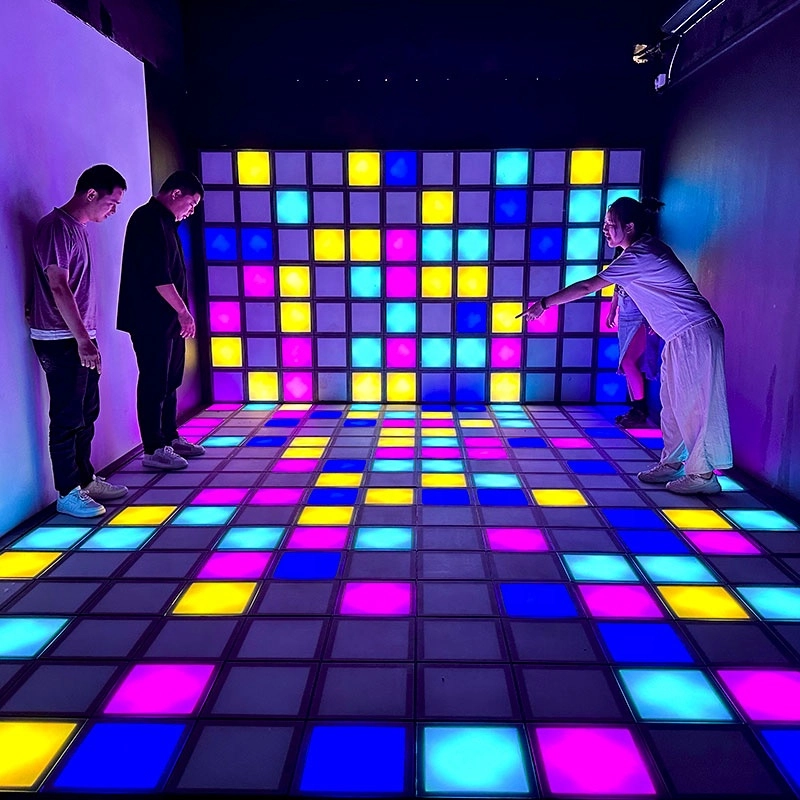
Hottest activated LED dance grid tiles floor touch games
Super Grid is an immersive sports game that combines sports and technology. It integrates interactive LED lights and sensors through innovative software design, creating a fun gaming experience.
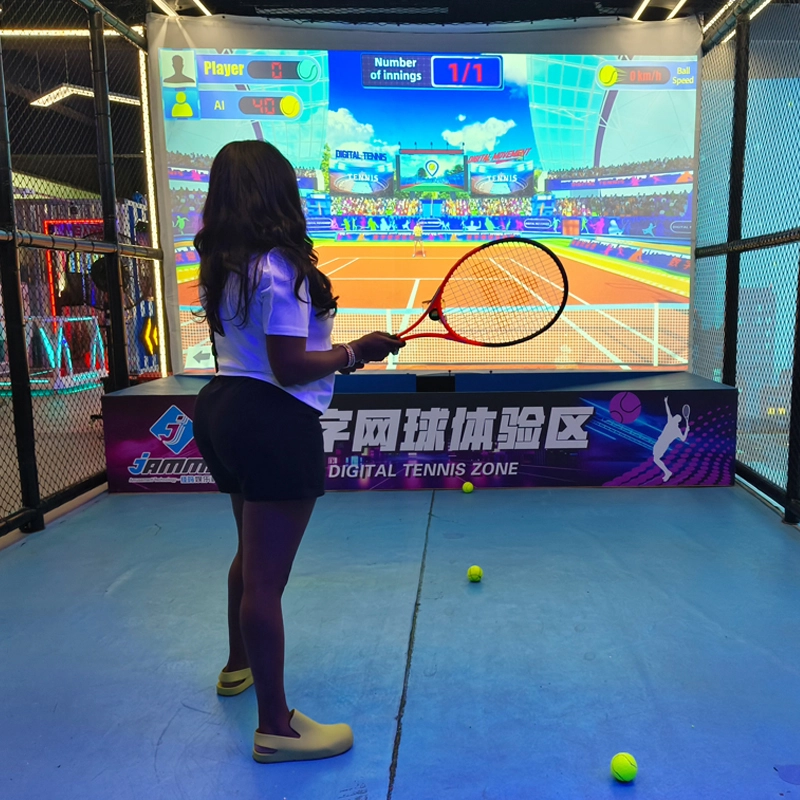
Top Indoor Tennis Racketball Training Simulator Dual Player Games
Interactive somatosensory fitness game
Combine traditional tennis sports with advanced 3D digital technology to bring customers an immersive tennis training experience
COMBINE TRADITIONAL TENNIS SPORTS WITH ADVANCED 3D DIGITAL TECHNOLOGY TO BRING CUSTOMERS AN IMMERSIVE TENNIS TRAINING EXPERIENCE INDOOR AND TENNIS EXPERIENCE HALL
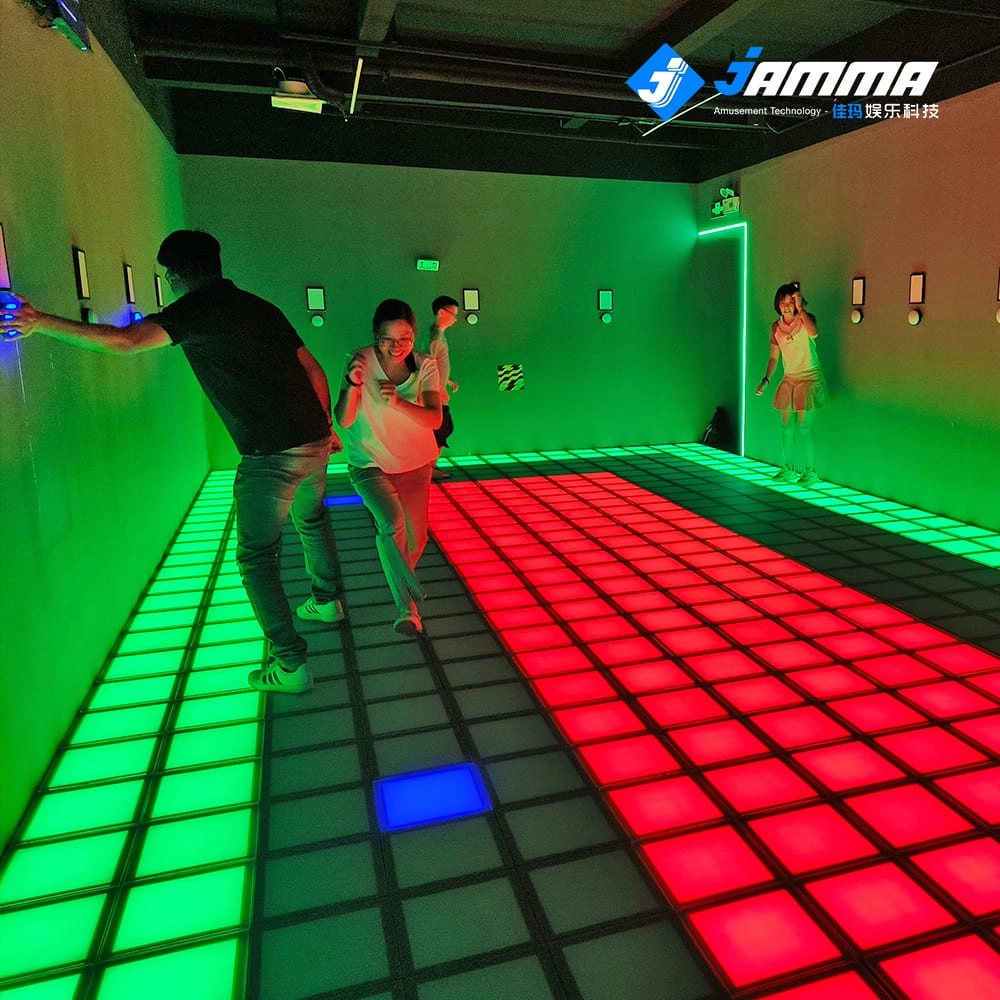
Super Grid Interactive LED Floor Activate Game Team Play
Super Grid is an immersive sports game that combines sports and technology. It integrates interactive LED lights and sensors through innovative software design, creating a fun gaming experience.
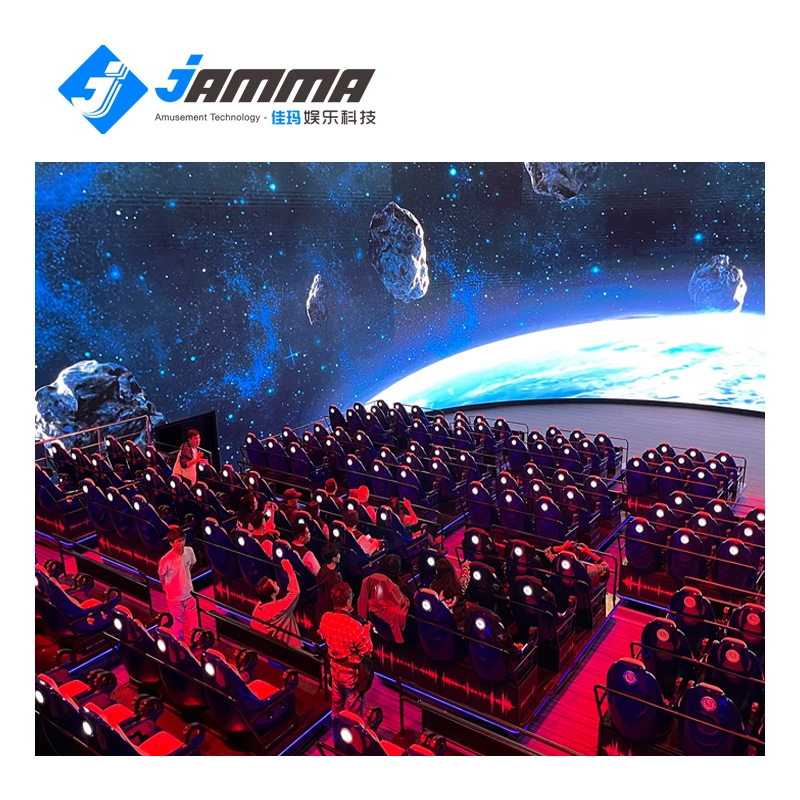
Immersive 5D/7D/9D cinema dynamic visual experience room
Compared with other types of theaters, 5D/7D/9D cinema have high technical content, prominent themes, and have a strong impact on the characteristics of the picture. With the increasing demand in the entertainment market and the continuous development of video entertainment technology, in the past, audiences would experience vibration, drop, rain, scratches and other effects in some 4D theaters, but now with 5D theaters, audiences can experience new Unique features, touch and feel effects such asreal smoke, water, snow, bubbles, smell, lightning, leg touch,camera system and more. When the audience is watching amovie, the seats and environmental effects will change into corresponding actions according to the development of the movie,allowing the audience to experience an immersive viewing experience.
