

How to start the cinema 360 business in US ?
- How to Start the Cinema 360 Business: A Comprehensive Guide
- Understanding Cinema 360 and Its Market Potential
- Step 1: Conducting In-Depth Market Research
- Step 2: Selecting High-Quality Cinema 360 Equipment
- Step 3: Securing Suitable Venue Space and Infrastructure
- Step 4: Licensing and Content Acquisition
- Step 5: Staffing and Training
- Step 6: Marketing and Customer Engagement
- Step 7: Ensuring Maintenance, Upgrades, and Scalability
- Conclusion
How to Start the Cinema 360 Business: A Comprehensive Guide
The cinema 360 business is rapidly gaining traction in the amusement and entertainment industry, combining immersive technology and innovative storytelling to create unforgettable experiences. As a pioneering provider, JAMMA Amusement, located in Guangzhou with 15 years of industry expertise, presents this step-by-step guide to help entrepreneurs successfully launch and operate a cinema 360 business.
Understanding Cinema 360 and Its Market Potential
Cinema 360 refers to a type of panoramic film screening technology that projects images in a 360-degree format, surrounding viewers in an immersive environment. This innovation has expanded beyond traditional movie theaters to amusement parks, VR centers, and family entertainment venues.
According to the latest Global Virtual Reality (VR) and Immersive Experience market reports (2023), the immersive cinema sector is forecasted to grow at a CAGR of over 30% between 2023 and 2028, driven by rising consumer demand for novel entertainment options and advancements in 360-degree projection technology.
Step 1: Conducting In-Depth Market Research
Before investing in cinema 360 equipment, conduct comprehensive market research. Understand your target audience, assess competitors in your region, and evaluate the demand for immersive entertainment facilities. Consider factors like location demographics, consumer spending capacity, and proximity to existing entertainment hubs.
JAMMA Amusement’s international sales team recommends focusing on areas with growing tourism or urban populations, as these venues tend to attract higher footfall for entertainment modalities such as cinema 360.
Step 2: Selecting High-Quality Cinema 360 Equipment
Investing in reliable, cutting-edge technology is crucial. Cinema 360 setups typically require specialized projection systems, multi-channel audio, and immersive dome or circular screen installations. Choosing vendors who provide comprehensive warranty and after-sales services, like JAMMA Amusement, can ensure technical reliability and long-term support.
At JAMMA, our 5D cinema products complement cinema 360 setups by integrating physical effects with panoramic visuals, providing a multi-sensory experience that appeals to all age groups and maximizes visitor engagement.
Step 3: Securing Suitable Venue Space and Infrastructure
Space requirements for cinema 360 vary depending on the screen size and expected audience capacity. Typically, venues should have a domed or circular floor layout with soundproofing considerations to optimize the immersive experience.
Ensure that the location has adequate electrical capacity, climate control, and accessibility compliance. Collaborate with architectural specialists experienced in entertainment design for the smooth integration of cinema 360 technology.
Step 4: Licensing and Content Acquisition
Programming engaging 360-degree films is necessary to attract a strong customer base. Licensing existing 360 content or partnering with content creators can offer a varied library of experiences. Be aware of regional copyright laws and content distribution rights to prevent legal challenges.
JAMMA Amusement’s industry-leading technical team continuously works on developing proprietary immersive content suitable for cinema 360 environments, delivering original experiences tailored for amusement projects.
Step 5: Staffing and Training
Employ personnel skilled in operating 360-cinema technology and customer service. Staff should be trained to troubleshoot technical issues efficiently, manage crowd flow, and provide an engaging customer experience.
JAMMA provides comprehensive on-site training and after-sales technical support to help businesses maintain smooth daily operations and maximize customer satisfaction.
Step 6: Marketing and Customer Engagement
Building brand awareness and driving foot traffic demand a focused marketing strategy. Utilize social media, local partnerships, and special event hosting to showcase the unique aspects of your cinema 360 attraction.
Offering promotional packages, loyalty programs, and interactive workshops can enhance repeat visits. Highlight the innovative technology and immersive storytelling techniques that differentiate your cinema 360 business from traditional entertainment options.
Step 7: Ensuring Maintenance, Upgrades, and Scalability
Regular maintenance is vital to operational longevity, minimizing downtime, and preserving the guest experience quality. Plan for periodic technological upgrades, including hardware and content updates, to keep pace with industry trends.
JAMMA’s manufacturing and after-sales teams are dedicated to providing ongoing technical support and product updates, assisting venues in sustaining cutting-edge amusement offerings.
Conclusion
Starting a cinema 360 business demands strategic planning, investment in quality technology, and continuous operational management. Leveraging JAMMA Amusement’s 15 years of industry expertise, high-value amusement solutions, and technical support can streamline your entry into the booming immersive entertainment market. By embracing innovation and customer-centric practices, your cinema 360 business can become a leader in local and international amusement sectors.
For further consultation on launching cinema 360 projects, visit JAMMA Amusement to explore our comprehensive product portfolio and service offerings.
Frequently Asked Questions
What is cinema 360?
Cinema 360 is an immersive entertainment format that uses 360-degree panoramic projection systems to create a fully surround visual experience for viewers.
How much investment is needed to start a cinema 360 business?
The investment depends on venue size, equipment quality, and location but typically ranges from $200,000 to $500,000, including installation, content licensing, and initial marketing.
Can existing cinemas be converted to cinema 360?
Yes, many traditional cinemas can be remodeled to incorporate 360-degree projection technology, though structural adjustments and technical upgrades are necessary.
What types of content work best for cinema 360?
Documentaries, adventure themes, sci-fi, and educational films work well as they leverage the immersive environment to engage audiences deeply.
Does JAMMA Amusement provide after-sales support?
Yes, JAMMA offers comprehensive after-sales technical support, training, and product updates to ensure sustainable operations for cinema 360 venues.
Top interactive led floor Manufacturers and Suppliers in us
What is immersive exhibition design ?
What are the application scenarios of indoor laser maze?
Top indoor playground equipment Manufacturers and Suppliers in us
Standard and other
Do you offer installation services?
Our professional implementation team can provide equipment installation and debugging services to ensure smooth operation. Our installation services is chargeable and you can contact us in to inquire about the service fees.
How will it be transported?
For large items, we usually use sea freight, while for small items, we use air freight or services like DHL, FedEx, or UPS. We can also accommodate specific shipping methods based on your requirements.
How long is the warranty period?
Our products have a one-year warranty period. During the warranty period, if there are any issues with the product that are not caused by human error, we can replace the parts for you free of charge. If the problems are caused by improper use, you will need to purchase the parts and bear the shipping costs yourself.
Do you offer a customized service?
We can provide logo customization service for all of our products. For certain products, we can also support customization of sizes and game content. If you have any product customization requirements, please contact us and we will confirm the details with you.
Are you an amusement park equipment manufacturer?
Yes. We have our own production factory, which is located in Guangzhou, China, covering an area of over 2,000 square meters. With our professional production team, we are able to ensure high quality and on-time delivery of our products. All products have undergone rigorous testing and quality inspection. You are welcome to visit our factory.
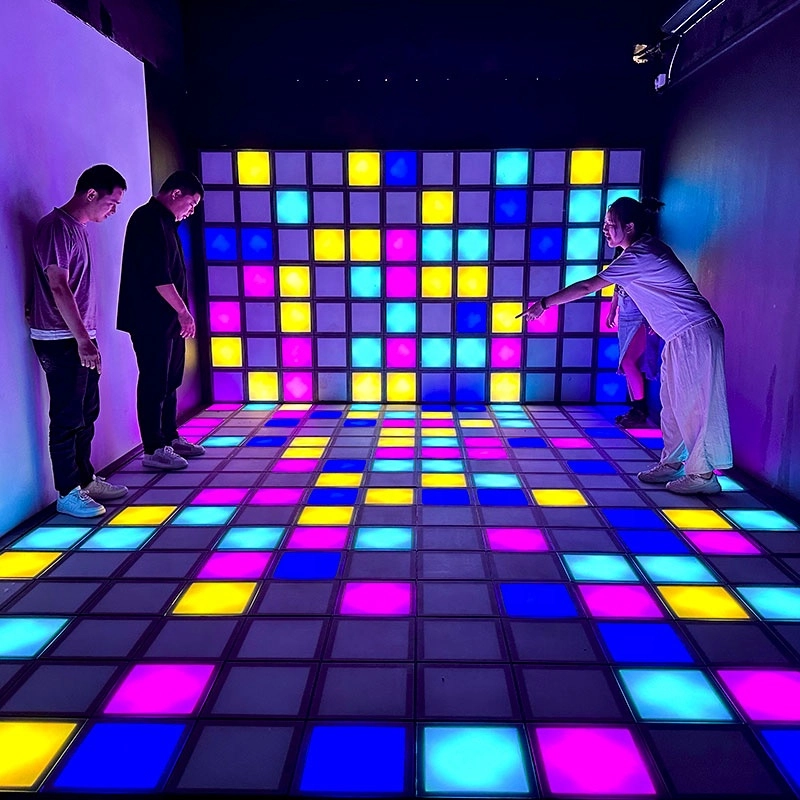
Hottest activated LED dance grid tiles floor touch games
Super Grid is an immersive sports game that combines sports and technology. It integrates interactive LED lights and sensors through innovative software design, creating a fun gaming experience.
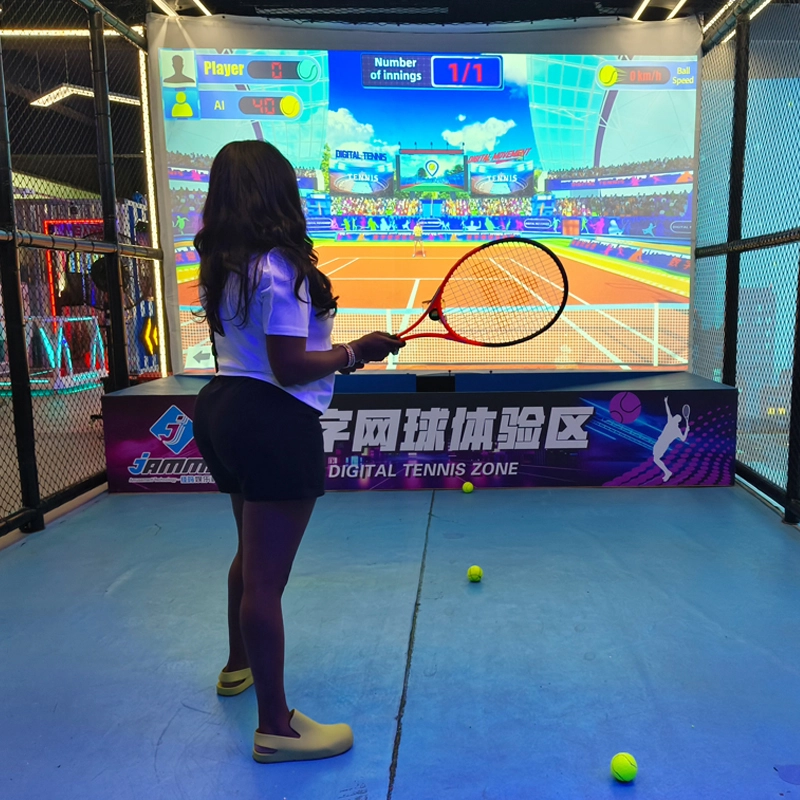
Top Indoor Tennis Racketball Training Simulator Dual Player Games
Interactive somatosensory fitness game
Combine traditional tennis sports with advanced 3D digital technology to bring customers an immersive tennis training experience
COMBINE TRADITIONAL TENNIS SPORTS WITH ADVANCED 3D DIGITAL TECHNOLOGY TO BRING CUSTOMERS AN IMMERSIVE TENNIS TRAINING EXPERIENCE INDOOR AND TENNIS EXPERIENCE HALL
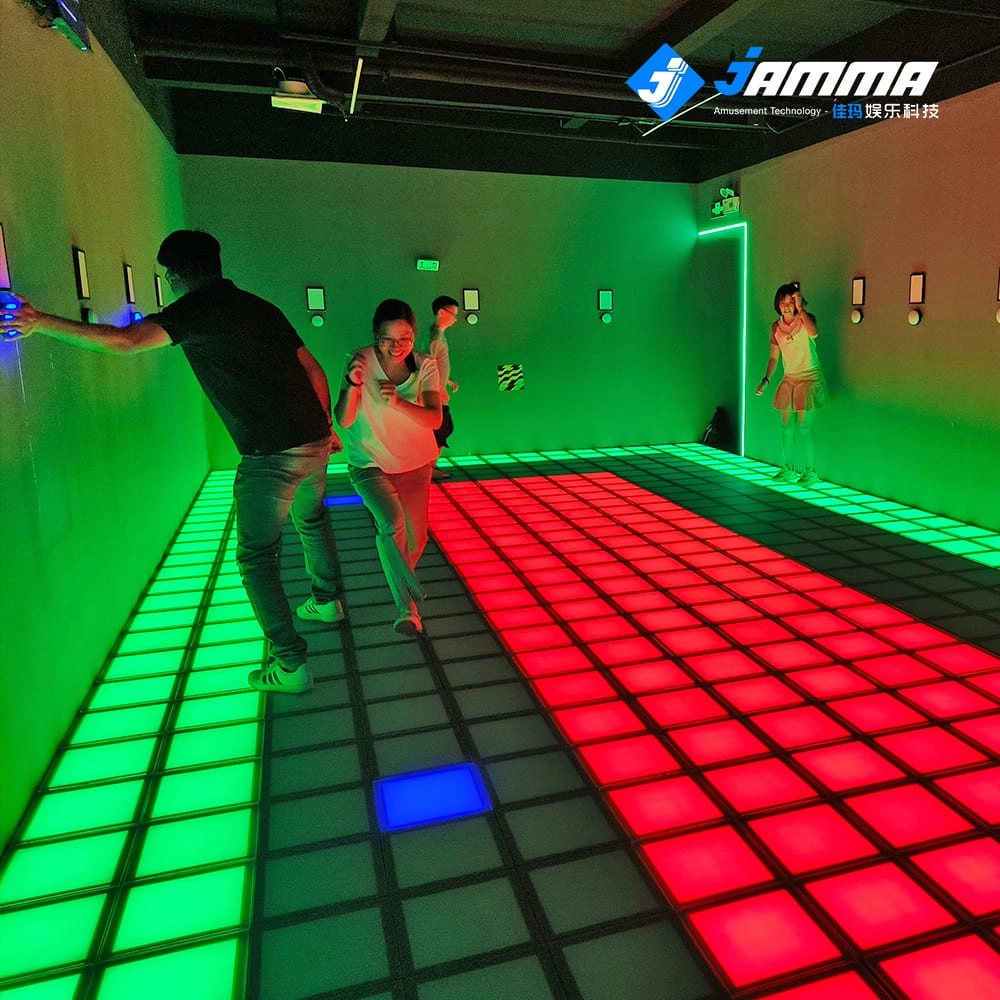
Super Grid Interactive LED Floor Activate Game Team Play
Super Grid is an immersive sports game that combines sports and technology. It integrates interactive LED lights and sensors through innovative software design, creating a fun gaming experience.
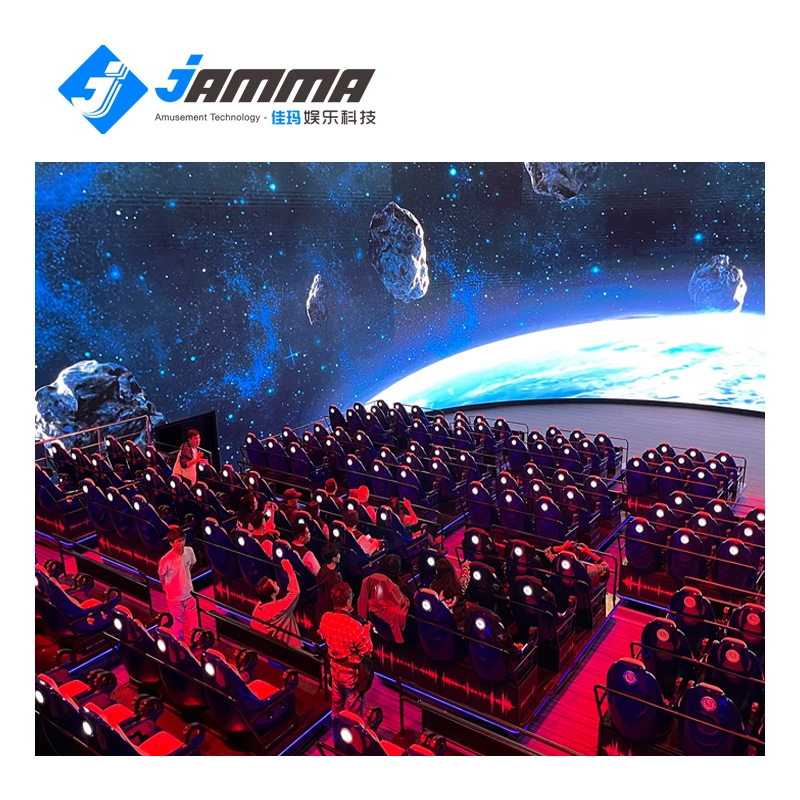
Immersive 5D/7D/9D cinema dynamic visual experience room
Compared with other types of theaters, 5D/7D/9D cinema have high technical content, prominent themes, and have a strong impact on the characteristics of the picture. With the increasing demand in the entertainment market and the continuous development of video entertainment technology, in the past, audiences would experience vibration, drop, rain, scratches and other effects in some 4D theaters, but now with 5D theaters, audiences can experience new Unique features, touch and feel effects such asreal smoke, water, snow, bubbles, smell, lightning, leg touch,camera system and more. When the audience is watching amovie, the seats and environmental effects will change into corresponding actions according to the development of the movie,allowing the audience to experience an immersive viewing experience.
