

How to Create an Immersive Room: Practical Guide for Entertainment Venues
- How to Create an Immersive Room: practical, revenue-driven steps for venues
- Introduction: why venues invest in immersive rooms
- Define business goals and guest profile before design
- Choose the right immersive format for your venue
- Design the physical layout for safety and throughput
- Select hardware and software with long-term support
- Plan budget and pricing strategy with ROI in mind
- Design engaging content and user journeys
- Staffing, training and operations playbook
- Maintenance, hygiene and lifecycle management
- Marketing and sales tactics for fast adoption
- Measure performance and iterate
- Conclusion: deliver memorable experiences with commercial clarity
- Sources and further reading
- Frequently asked questions
How to Create an Immersive Room: practical, revenue-driven steps for venues
Introduction: why venues invest in immersive rooms
Operators searching for how to create an immersive room want a clear, actionable path from concept to opening day that delivers strong guest experiences and measurable revenue. Immersive rooms—VR pods, AR projection spaces, and 5D mini-theaters—are proven crowd-pullers in arcades and family entertainment centers. For venue owners and project managers, the focus is on user experience, throughput, operational simplicity, and return on investment (ROI). This guide provides a practical, step-by-step approach backed by industry best practices from JAMMA Amusement, founded in 2009 in Guangzhou, with 15 years of amusement industry experience.
Define business goals and guest profile before design
Start by answering commercial questions: Are you targeting families, gamers, corporate team-building, or event rentals? Business-intent keywords such as immersive entertainment, VR arcade setup, and attraction ROI should guide choices. Define KPIs (ticket price, hourly throughput, utilization rate) and model revenue scenarios. Example KPIs: 8–12 plays per hour per unit for short-session VR, or 1–3 shows per hour for a 5D theater. These targets determine space, hardware count, and staffing.
Choose the right immersive format for your venue
Selecting format—VR room, AR projection room, or 5D cinema—drives technical requirements and capital spend. Consider guest turnover, footprint, accessibility and maintenance. Below is a compact comparison to help you decide.
| Format | Core Experience | Space & throughput | Operational complexity | Revenue fit |
|---|---|---|---|---|
| VR Room / Pod | Fully immersive headset-based gameplay | Compact footprint; high turnover (short sessions) | Medium (headset hygiene, calibration) | Arcades, FECs, pay-per-play |
| AR Interactive Projection | Floor/wall projection with motion interaction | Moderate space; group-friendly | Low to medium (projector alignment) | Family entertainment, soft play, mall activations |
| 5D Cinema | Sensory effects + film; group seating | Larger footprint; scheduled shows | High (maintenance on motion/effects) | Theme parks, FECs with theater model |
Design the physical layout for safety and throughput
Design impacts safety, accessibility, and income. Use clear sightlines for staff supervision and emergency exits that meet local code. For VR pods, allow at least 2–3 meters of clear movement area per unit or use seated experiences where floor space is limited. For projection rooms, plan for group circulation and comfortable distances from walls. Ensure ADA-compliant access and seating. These practical design choices reduce downtime and improve guest satisfaction—both essential for maximizing revenue per square meter.
Select hardware and software with long-term support
Hardware decisions should prioritize reliability and vendor support. For VR, choose headsets with proven tracking, comfortable ergonomics, and replaceable components. For AR and projection, validate projector lumen output, throw distance, and interactive sensor accuracy. Consider turnkey solutions that include content licensing, management software, and remote diagnostics—these reduce operational overhead and speed troubleshooting. Working with an industry partner like JAMMA Amusement ensures integrated supply of VR/AR/5D equipment plus local after-sales support.
Plan budget and pricing strategy with ROI in mind
Budget must combine capex, content licensing, installation, and first-year operating costs (staff, maintenance, consumables). Use pricing models aligned to guest behavior: pay-per-play for short VR sessions, timed tickets for immersive rooms, and show-based pricing for 5D cinemas. Factor in ancillary sales (F&B, photos, merchandising) to increase per-guest revenue. Model a conservative utilization rate (e.g., 30–50% in early months) and a ramp-up timeline to estimate break-even.
Design engaging content and user journeys
Content is the heart of immersion. Select curated experiences with proven replayability and short learning curves. Provide clear pre-briefing signage, friendly staff assistance, and rapid on-boarding flows to minimize downtime between sessions. For group experiences, design social scoring, sharing options, and photo/video capture that encourage social media posting and repeat visits—key levers for organic marketing and higher lifetime value.
Staffing, training and operations playbook
Staff are the experience drivers. Create a standard operating procedure covering guest briefing, safety checks, hygiene protocols (especially for headsets), tech reset procedures, and troubleshooting. Train staff on upselling (photos, VIP access), queuing management, and equipment care. Digital checklists and remote monitoring tools help maintain consistent service quality across shifts and locations.
Maintenance, hygiene and lifecycle management
Regular maintenance prevents downtime. Schedule daily cleanings of touchpoints, weekly calibration of tracking systems, and annual hardware health audits. Maintain a spare-parts inventory for common wear items like headset foam, cables, and projector bulbs. Lifecycle planning—knowing expected replacement timelines—lets you budget upgrades without surprise capital hits.
Marketing and sales tactics for fast adoption
Combine local marketing (events, school partnerships, corporate bookings) with digital tactics (SEO, paid search using keywords such as how to create an immersive room, immersive attraction rental). Offer soft-opening discounts, influencer nights, and package deals with F&B or arcade credits. Track conversion from campaigns to bookings and adapt offers based on peak times and customer segments.
Measure performance and iterate
Track KPIs: plays per day, revenue per play, average dwell time, and NPS (Net Promoter Score). Use feedback loops to iterate on content, pricing and staffing. Technology that supports remote analytics helps you benchmark locations and optimize fleet deployment for maximum utilization and ROI.
Conclusion: deliver memorable experiences with commercial clarity
Creating an immersive room successfully blends design, reliable technology, operational rigor and marketing. For venues focused on profitable guest experiences, prioritize formats and features that match your audience and space, choose supported hardware and content, enforce hygiene and maintenance, and measure performance to iterate. JAMMA Amusement’s 15 years in the industry positions us to provide one-stop solutions—from VR games to AR simulators and 5D cinemas—helping venues implement immersive rooms that drive traffic and revenue.
Sources and further reading
Key industry references used for best practices and market context:
- Statista — market reports on virtual reality and amusement industry trends
- Grand View Research — reports on immersive technology market growth
- PwC — Global Entertainment & Media Outlook
- IAAPA (International Association of Amusement Parks and Attractions) — industry safety and operations guidance
- JAMMA Amusement internal product and installation experience (company established 2009, Guangzhou)
Frequently asked questions
How much space do I need to create an immersive VR room for one user?For a standing room-scale VR experience, plan for at least a 2 x 2 meter clear area per user; seated or pod-based experiences require less floor space but need service access and queueing area.
What are realistic upfront costs to open an immersive room?Costs vary by format; rather than fixed dollar amounts, estimate relative tiers: low (AR projection with simple hardware), medium (multi-headset VR pods with integrated software), high (5D cinema with motion seats and effects). Include installation, content licensing, staff training and spare parts in your budget.
How do I handle headset hygiene between players?Use replaceable facial interface covers, UV-C or approved disinfectant wipes on non-porous surfaces, and a short wait time between uses if required. Train staff on quick, consistent cleaning protocols.
Can immersive rooms be profitable in small venues?Yes—if you match the format to audience demand, optimize throughput, and add ancillary sales (photos, merchandise). Short-session VR and AR experiences often work well in limited footprints.
How often should immersive content be updated?Rotate or refresh top-line content every 6–12 months to maintain repeat visitation; update seasonal or promotional content more frequently to drive return visits.
Is special insurance or certification required?Check local regulations for public attractions. Many venues carry general liability with specific coverage for amusement devices; IAAPA guidance and local authorities can clarify required certifications.
Top playground equipment indoor Manufacturers and Suppliers in Germany
What are the application scenarios of cycling trainer simulator?
Indoor Playground Staffing and Training Tips
Pro Laser Tag Equipment: FAQs, Tips, and Buying Guide | JAMMA
Product details
What are the special effects in a 5D cinema?
JAMMA 5D cinema has special effects such as water spray, smoke, bubbles, snow, lightning and so on, which allows it to provide a realistic and immersive experience.
Can I customize the number of seats of 5D cinema?
Yes, we generally have options for six, nine, eighteen, twenty-four, and thirty-six seats, and the quantity of seats also can be customized.
Does the soccer simulator configuration include the curtain?
Yes, a 4-meter-wide, 3-meter-high projection curtain is included.
Standard and other
How long is the warranty period?
Our products have a one-year warranty period. During the warranty period, if there are any issues with the product that are not caused by human error, we can replace the parts for you free of charge. If the problems are caused by improper use, you will need to purchase the parts and bear the shipping costs yourself.
Do you offer a customized service?
We can provide logo customization service for all of our products. For certain products, we can also support customization of sizes and game content. If you have any product customization requirements, please contact us and we will confirm the details with you.
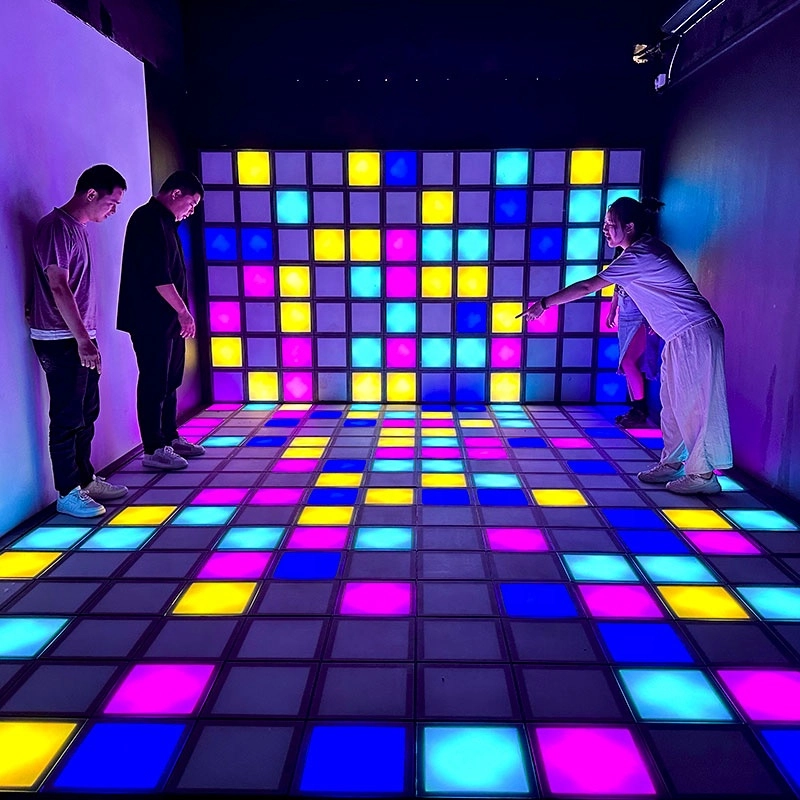
Hottest activated LED dance grid tiles floor touch games
Super Grid is an immersive sports game that combines sports and technology. It integrates interactive LED lights and sensors through innovative software design, creating a fun gaming experience.
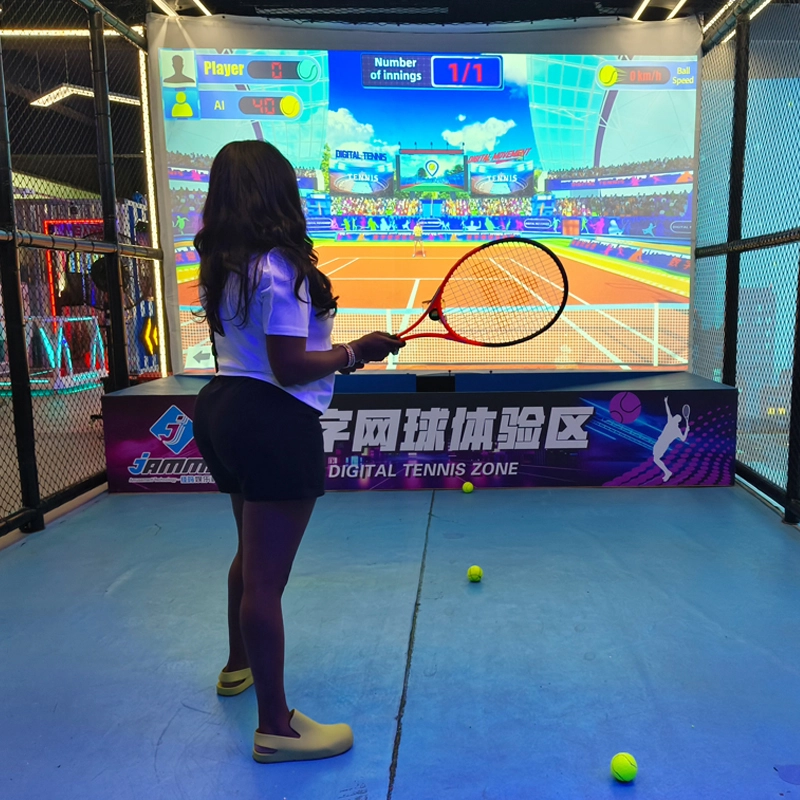
Top Indoor Tennis Racketball Training Simulator Dual Player Games
Interactive somatosensory fitness game
Combine traditional tennis sports with advanced 3D digital technology to bring customers an immersive tennis training experience
COMBINE TRADITIONAL TENNIS SPORTS WITH ADVANCED 3D DIGITAL TECHNOLOGY TO BRING CUSTOMERS AN IMMERSIVE TENNIS TRAINING EXPERIENCE INDOOR AND TENNIS EXPERIENCE HALL
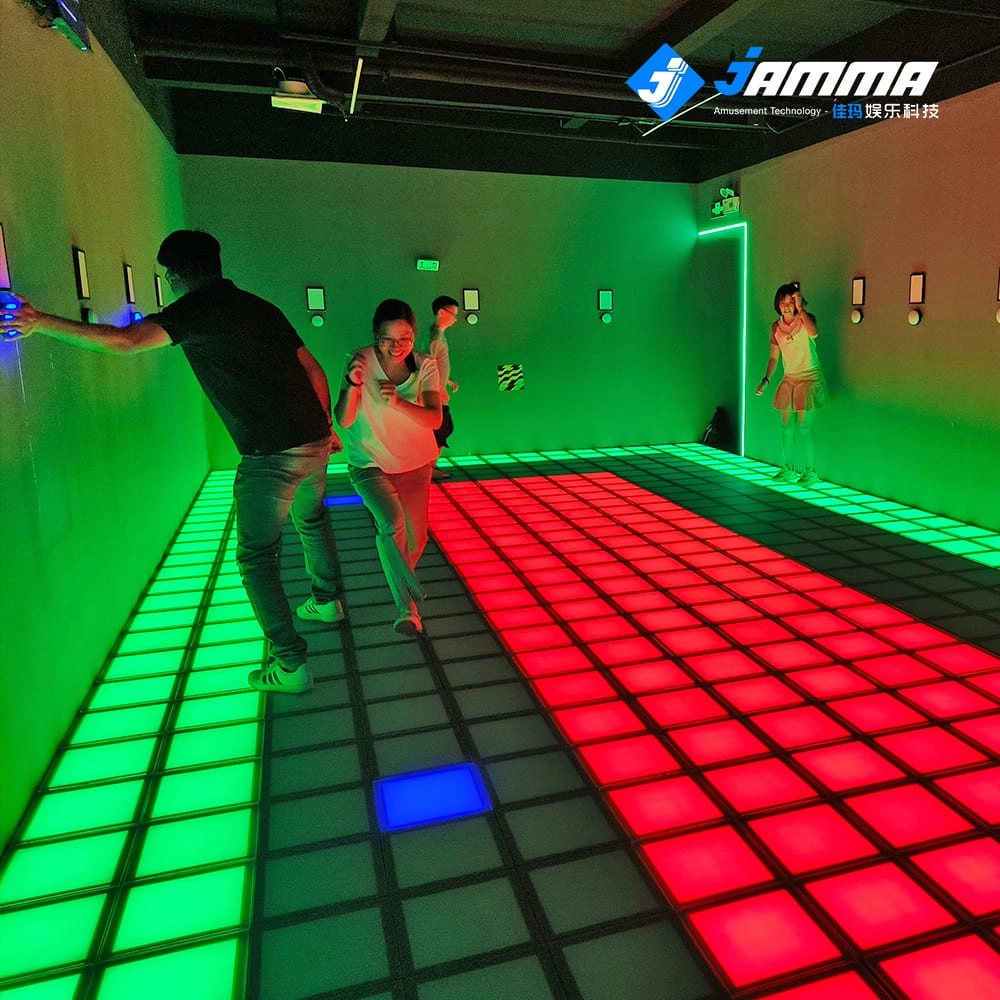
Super Grid Interactive LED Floor Activate Game Team Play
Super Grid is an immersive sports game that combines sports and technology. It integrates interactive LED lights and sensors through innovative software design, creating a fun gaming experience.
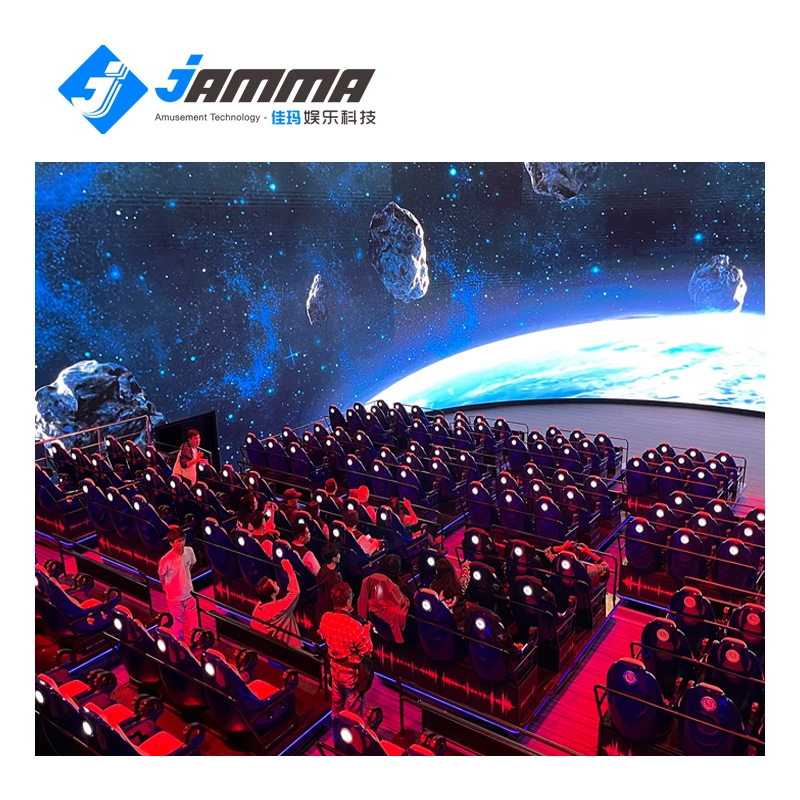
Immersive 5D/7D/9D cinema dynamic visual experience room
Compared with other types of theaters, 5D/7D/9D cinema have high technical content, prominent themes, and have a strong impact on the characteristics of the picture. With the increasing demand in the entertainment market and the continuous development of video entertainment technology, in the past, audiences would experience vibration, drop, rain, scratches and other effects in some 4D theaters, but now with 5D theaters, audiences can experience new Unique features, touch and feel effects such asreal smoke, water, snow, bubbles, smell, lightning, leg touch,camera system and more. When the audience is watching amovie, the seats and environmental effects will change into corresponding actions according to the development of the movie,allowing the audience to experience an immersive viewing experience.
