

The latest trends for soft play indoor playground equipment for infants in 2026 us | JAMMA Ultimate Insights
- Introduction: Why 2026 Is a Turning Point for Soft Play Indoor Playground Equipment for Infants
- Trend 1 — Heightened Safety & Standards Compliance for Infant Soft Play
- Why safety matters more than ever
- Relevant standards and best practices
- Trend 2 — Antimicrobial, Easy-Clean Materials and Infection Control
- Designing for Parents’ post-pandemic hygiene expectations
- Material choices and maintenance
- Trend 3 — Sensory-Rich, Developmentally Appropriate Designs for Infants
- Why sensory play is vital for infants
- Design elements for infants (0–24 months)
- Trend 4 — Inclusive & Accessible Soft Play for Families
- Designing for all abilities and caregivers
- Trend 5 — Modular, Space-Efficient, and Scalable Systems
- Why modularity is economical
- Trend 6 — Technology Integration: Smart, Not Overwhelming
- Appropriate tech for infants
- Operational tech for operators
- Trend 7 — Sustainability & Non-toxic Materials
- Eco-conscious parents expect safer materials
- Trend 8 — Revenue Diversification & Business Models
- How infant soft play drives revenue
- Operational levers to improve ROI
- Comparison: Traditional Soft Play vs 2026 Infant Soft Play Trends
- Design & Procurement Checklist for Buyers
- Practical questions to ask your supplier
- Installation, Training & After-Sales: What Operators Need
- Staff training and operational playbooks
- Case Example: How JAMMA Supports Infant Soft Play Projects
- Practical ROI Example — How an Infant Zone Boosts Venue Revenue
- Implementation Timeline & Budget Considerations
- Conclusion: Building Trust and Commercial Value with 2026-Grade Infant Soft Play
- Frequently Asked Questions
- Sources and References
Introduction: Why 2026 Is a Turning Point for Soft Play Indoor Playground Equipment for Infants
Operators, designers, and investors searching for soft play indoor playground equipment for infants want solutions that maximize safety, parental trust, and commercial returns. In 2026, evolving consumer expectations, stricter safety standards, and new technologies are reshaping infant soft play design. This article explains the leading trends, practical design and business recommendations, and how JAMMA Amusement—established in Guangzhou in 2009 with 15 years of industry experience—can help venues implement high-value, one-stop solutions.
Trend 1 — Heightened Safety & Standards Compliance for Infant Soft Play
Why safety matters more than ever
Infants (0–24 months) are uniquely vulnerable. Parents demand equipment that minimizes fall risk, choking hazards, and toxic exposures. Operators must comply with recognized standards to reduce liability and build consumer confidence.
Relevant standards and best practices
Key standards and guidance that influence soft play design include:
| Standard / Guideline | Relevance to Infant Soft Play |
|---|---|
| EN 1176 / EN 1177 | European playground equipment & impact-attenuation requirements; used as a benchmark for surfacing and equipment heights. |
| ASTM F1487 | General safety performance specification for public playground equipment; useful for structural safety and entrapment prevention. |
| ASTM F963 | Toy safety requirements (chemical limits) for components designed as toys. |
| CPSC Public Playground Safety Handbook | U.S. guidance on surfacing and equipment layout; widely referenced by operators and inspectors. |
| ISO / Local chemical regulations (REACH, California Prop 65) | Limits on phthalates, heavy metals, and hazardous substances in plastics and coverings. |
| CDC Cleaning & Disinfection Guidance | Best practices for cleaning high-touch surfaces and soft materials to reduce illness transmission. |
Operators should require certifications and material test reports from manufacturers. JAMMA's manufacturing and after-sales teams can provide documentation for compliance and regular maintenance guidance.
Trend 2 — Antimicrobial, Easy-Clean Materials and Infection Control
Designing for Parents’ post-pandemic hygiene expectations
Hygiene remains a major purchase driver. Soft play surfaces now commonly use antimicrobial vinyls, closed-cell foams, and removable, washable covers that comply with cleaning protocols. Cleaning-friendly design reduces downtime and operating costs while reassuring parents.
Material choices and maintenance
Common choices include phthalate-free PVC or polyurethane-coated fabrics, OEKO-TEX– or REACH-compliant foam cores, and sealed seam construction to prevent liquid ingress. Follow manufacturer-recommended disinfectants compatible with vinyl and EVA foam to avoid material degradation.
Trend 3 — Sensory-Rich, Developmentally Appropriate Designs for Infants
Why sensory play is vital for infants
Sensory play stimulates motor, cognitive, and social development. Modern infant soft play zones focus on low-height features, contrasting colors, tactile panels, gentle mirrors, sensory sound elements, and soft boundary walls to support supervised exploration.
Design elements for infants (0–24 months)
- Low gradients, rounded edges, and soft landings to support early crawling and standing.
- High-contrast visual patterns for newborn visual development.
- Multi-texture panels (soft fabrics, ribbed foam, silicone grips) to promote tactile engagement.
- Quiet, low-volume interactive panels to avoid overstimulation.
Trend 4 — Inclusive & Accessible Soft Play for Families
Designing for all abilities and caregivers
Inclusivity broadens market reach. Features like low thresholds, sensory calm zones, adjustable seating for caregivers, and stroller-accessible layouts make soft play spaces more welcoming. Inclusive design also addresses neurodiversity by offering quiet times or low-sensory sessions for families with special needs.
Trend 5 — Modular, Space-Efficient, and Scalable Systems
Why modularity is economical
Operators want solutions that can be reconfigured, expanded, or relocated. Modular soft play systems reduce capex risk, allow phased installations, and support seasonal layouts for parties and classes. Modular components also simplify shipping and onsite installation—important for multi-site operators.
Trend 6 — Technology Integration: Smart, Not Overwhelming
Appropriate tech for infants
While older kids gravitate to high-tech installations, infant-focused tech should be subtle and developmentally appropriate: low-intensity projection floors with slow-moving shapes, touch-sensitive sensory panels that reward gentle interactions, and ambient lighting that transitions calmly. JAMMA’s AR/interactive projection experience platforms can be tuned for infant-safe stimuli.
Operational tech for operators
Contactless payments, booking and capacity-management systems, and simple occupancy analytics let operators optimize staffing and improve turnover without changing the play experience for infants.
Trend 7 — Sustainability & Non-toxic Materials
Eco-conscious parents expect safer materials
More venues specify low-VOC materials, phthalate-free plastics, recyclable packaging, and supplier transparency. Sustainable choices can be a marketing differentiator, especially for family-focused brands.
Trend 8 — Revenue Diversification & Business Models
How infant soft play drives revenue
Soft play areas for infants generate income beyond admission: parent-and-baby classes, milestone sessions, birthday packages, memberships, and combined F&B experiences. Operators should build pricing tiers (drop-in, classes, memberships) to increase lifetime value.
Operational levers to improve ROI
Key levers include optimizing occupancy through timed bookings, increasing ancillary spend via F&B and retail, hosting weekday classes for consistent off-peak revenue, and designing portable modules for event rentals.
Comparison: Traditional Soft Play vs 2026 Infant Soft Play Trends
| Aspect | Traditional Soft Play | 2026 Infant-Focused Trend |
|---|---|---|
| Materials | Basic vinyl & foam | Antimicrobial, phthalate-free, REACH/OEKO-TEX–compliant |
| Safety Standards | Basic local compliance | Cross-referenced EN/ASTM guidance, documented test reports |
| Design | Generic jungle/gym themes | Developmentally staged, sensory-rich, inclusive |
| Technology | Minimal or distracting screens | Subtle projection, tactile sensors, booking & analytics |
| Cleaning | Manual cleaning challenges | Washable/removable covers, closed-cell foam, cleaning protocols |
| Business Model | Drop-in play, birthday parties | Classes, memberships, timed entry, event rentals |
Design & Procurement Checklist for Buyers
Practical questions to ask your supplier
- Do you provide material test certificates (phthalates, heavy metals, VOCs)?
- Can you supply EN/ASTM compliance documentation or third-party test reports?
- Are covers removable and rated for machine or on-site cleaning? Which disinfectants are compatible?
- Is the system modular and scalable for phased installation?
- Do you offer plans for inclusive layouts and staff sight-lines for supervision?
- What warranty and spare-parts support is included? What are SLAs for replacements?
- Can the design be tuned for infant-appropriate sensory levels (sound, light, motion)?
Installation, Training & After-Sales: What Operators Need
Staff training and operational playbooks
Safety signage, age-separation policies, cleaning schedules, and staff response training are essential. JAMMA’s international sales and technical teams provide turnkey installation and operational training adapted to local regulations and cultural expectations.
Case Example: How JAMMA Supports Infant Soft Play Projects
With 15 years in the amusement industry and a product portfolio spanning VR, AR simulators, projection games, 5D cinema and playground equipment, JAMMA combines technical R&D with manufacturing capability. JAMMA supports:
- Custom infant zone design emphasizing low heights and sensory panels.
- Certified materials and test documentation for safety compliance.
- Modular systems for phased rollouts and multi-site standardization.
- After-sales maintenance and spare part provisioning through trained teams.
Practical ROI Example — How an Infant Zone Boosts Venue Revenue
While specific returns vary by market, operators consistently report the following qualitative benefits when adding infant-focused soft play:
- Longer parental dwell time and higher F&B spend during visits.
- New weekday revenue from structured classes and caregiver meetups.
- Higher repeat visitation driven by membership and early-childhood programming.
Implementation Timeline & Budget Considerations
Typical timeline for a professionally delivered infant soft play project:
- Concept & planning: 2–4 weeks
- Design & materials selection: 2–6 weeks
- Manufacturing & quality checks: 6–12 weeks (depending on customization)
- Shipping & installation: 2–4 weeks
Budget considerations: modular starter zones reduce upfront capex; add-on modules and decor allow marketing refreshes with limited expense. Always factor in staff, insurance, and ongoing cleaning supplies in operating cost estimates.
Conclusion: Building Trust and Commercial Value with 2026-Grade Infant Soft Play
By 2026, success in the infant soft play segment comes from combining verified safety, hygienic materials, developmentally appropriate sensory design, inclusive accessibility, and pragmatic technology. Operators who implement modular, certified, and easy-to-maintain infant zones can increase weekday yield, grow memberships, and build long-term customer trust. JAMMA Amusement—backed by 15 years of industry experience and a full-service approach—can help venues design, supply, and maintain infant soft play solutions aligned with the latest trends and standards.
Frequently Asked Questions
What ages are considered infants for soft play design?Infants are typically defined as 0–24 months for play-area design. Equipment and layouts should reflect developmental stages—0–6 months (tummy time, high-contrast visuals), 6–12 months (crawling, tactile exploration), 12–24 months (pull-to-stand, early walking).
What are the most important safety certifications to request?Request material safety certificates (phthalates, heavy metals, VOCs), manufacturer test reports referencing EN 1176/1177 or ASTM F1487 where applicable, and any third-party product or surfacing certifications such as IPEMA or equivalent lab reports.
How should operators clean and disinfect soft play for infants?Use manufacturer-recommended disinfectants compatible with vinyl and foam. Prefer closed-cell foam and removable covers rated for on-site cleaning. Follow CDC guidance for cleaning high-touch surfaces and adopt a documented cleaning schedule with records kept.
Is technology appropriate in infant soft play?Yes—if subtle and developmentally suitable. Low-intensity projection, gentle responsive panels, and ambient sound that reacts calmly to touch are appropriate. Avoid bright flashing lights and loud, fast-paced interactions for infants.
How can small venues keep costs down while building an infant zone?Start with a modular starter pack focused on sensory panels, padded floors, and low structures. Use flexible furniture for parent comfort and schedule paid classes to generate weekday revenue. Phased upgrades let you scale as demand grows.
Sources and References
- European Standard EN 1176 & EN 1177 — Playground equipment and surfacing safety guidance.
- ASTM International — Standards including ASTM F1487 (playground equipment) and ASTM F963 (toy safety).
- U.S. Consumer Product Safety Commission (CPSC) — Public Playground Safety Handbook.
- Centers for Disease Control and Prevention (CDC) — Guidance on cleaning and disinfection.
- Grand View Research / Global Market Insights / Technavio (industry market reports) — trends in family entertainment and indoor play demand.
- American Academy of Pediatrics (AAP) materials on early childhood play and development.
- IPEMA (International Play Equipment Manufacturers Association) — certification and best practices for play equipment.
- JAMMA Amusement internal product and operations documentation (company established 2009, Guangzhou).
Safety Guidelines for Multi-sport Simulator Operation
Customizing Game Modes for Sports Simulation Guests
How to Choose the archery hunting simulator manufacturer and supplier ?
Custom boxing match simulator Manufacturers and Suppliers in Africa
Standard and other
Are you an amusement park equipment manufacturer?
Yes. We have our own production factory, which is located in Guangzhou, China, covering an area of over 2,000 square meters. With our professional production team, we are able to ensure high quality and on-time delivery of our products. All products have undergone rigorous testing and quality inspection. You are welcome to visit our factory.
Do you offer installation services?
Our professional implementation team can provide equipment installation and debugging services to ensure smooth operation. Our installation services is chargeable and you can contact us in to inquire about the service fees.
Do you offer a customized service?
We can provide logo customization service for all of our products. For certain products, we can also support customization of sizes and game content. If you have any product customization requirements, please contact us and we will confirm the details with you.
How will it be transported?
For large items, we usually use sea freight, while for small items, we use air freight or services like DHL, FedEx, or UPS. We can also accommodate specific shipping methods based on your requirements.
Product details
How many players can play soccer at the same time?
Up to 4 players can play at the same time, you need to add more soccer balls.
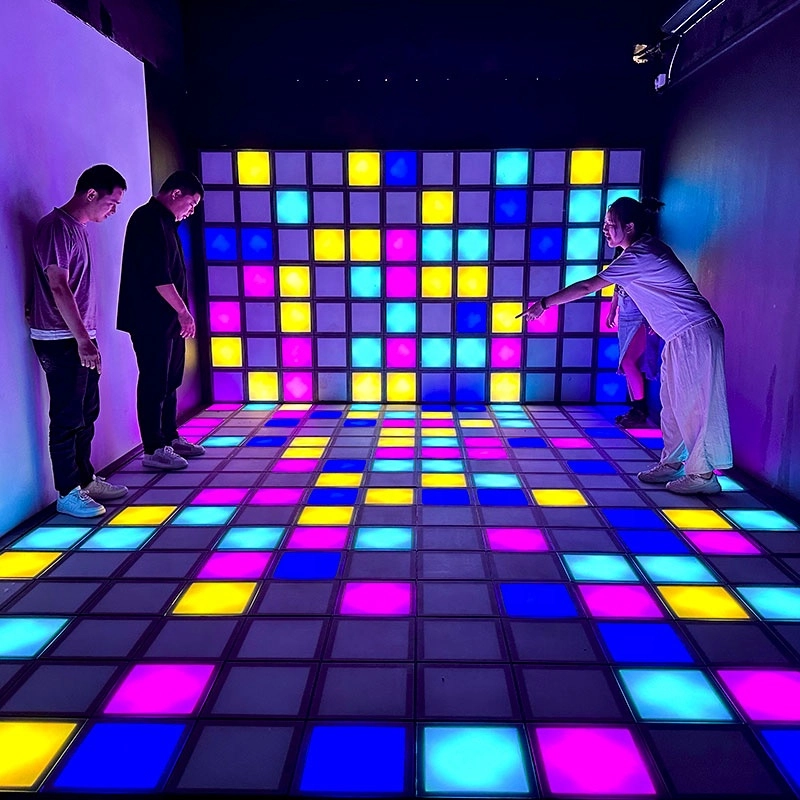
Hottest activated LED dance grid tiles floor touch games
Super Grid is an immersive sports game that combines sports and technology. It integrates interactive LED lights and sensors through innovative software design, creating a fun gaming experience.
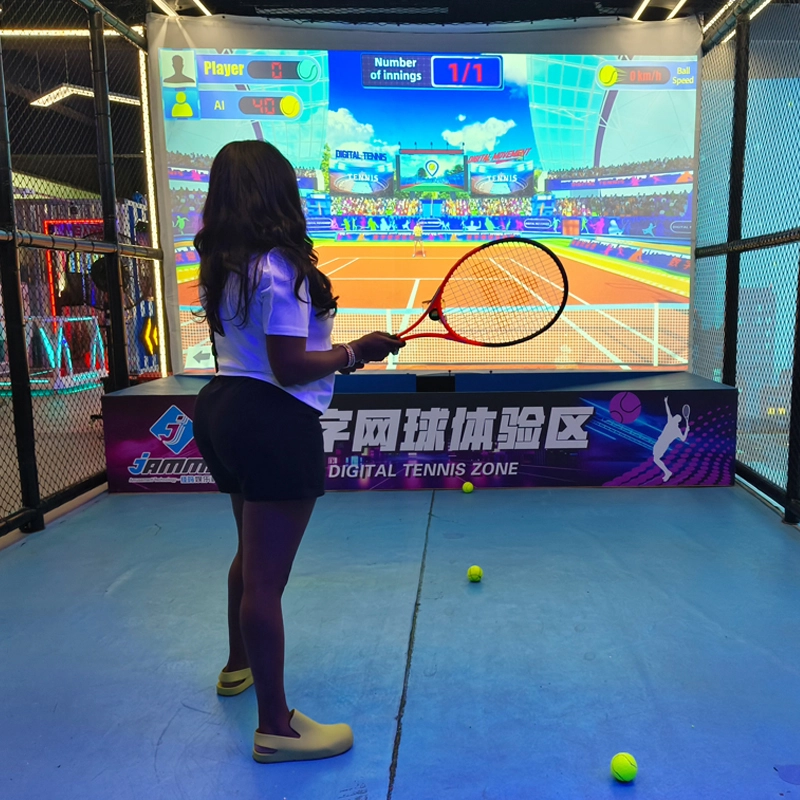
Top Indoor Tennis Racketball Training Simulator Dual Player Games
Interactive somatosensory fitness game
Combine traditional tennis sports with advanced 3D digital technology to bring customers an immersive tennis training experience
COMBINE TRADITIONAL TENNIS SPORTS WITH ADVANCED 3D DIGITAL TECHNOLOGY TO BRING CUSTOMERS AN IMMERSIVE TENNIS TRAINING EXPERIENCE INDOOR AND TENNIS EXPERIENCE HALL
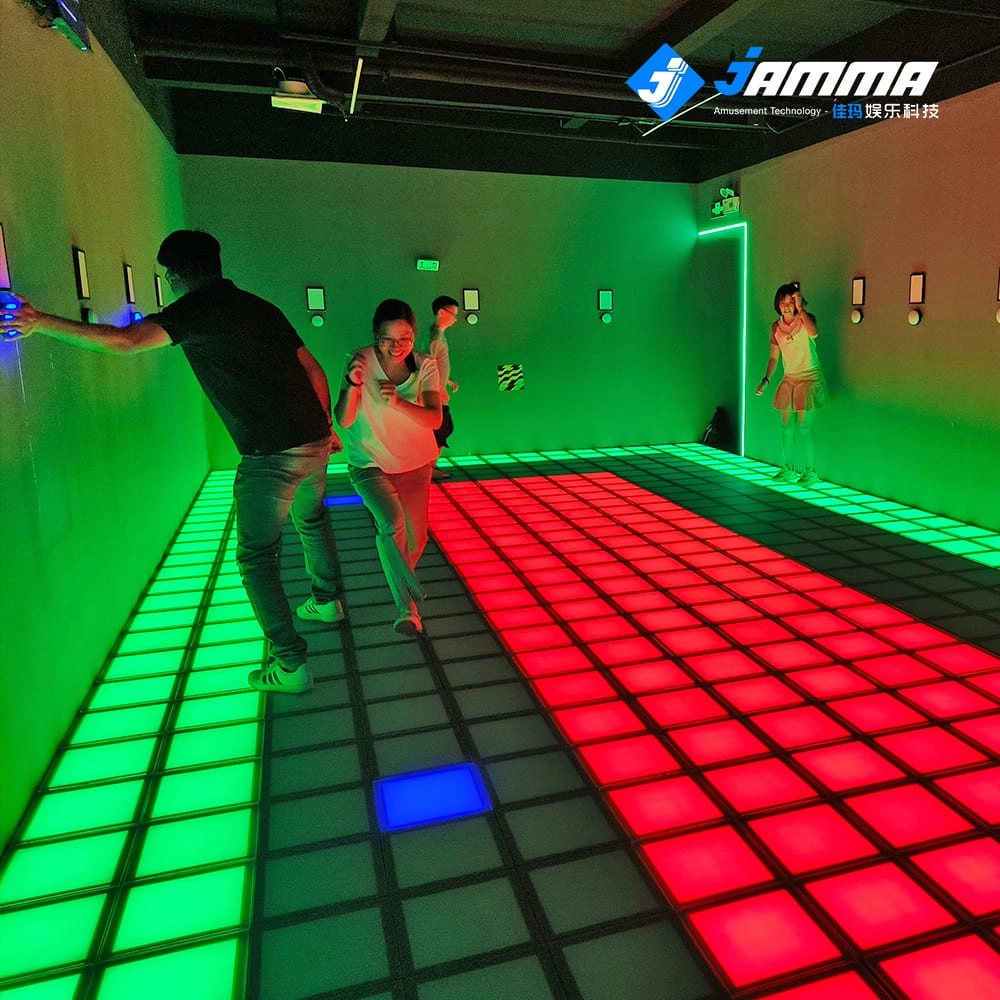
Super Grid Interactive LED Floor Activate Game Team Play
Super Grid is an immersive sports game that combines sports and technology. It integrates interactive LED lights and sensors through innovative software design, creating a fun gaming experience.
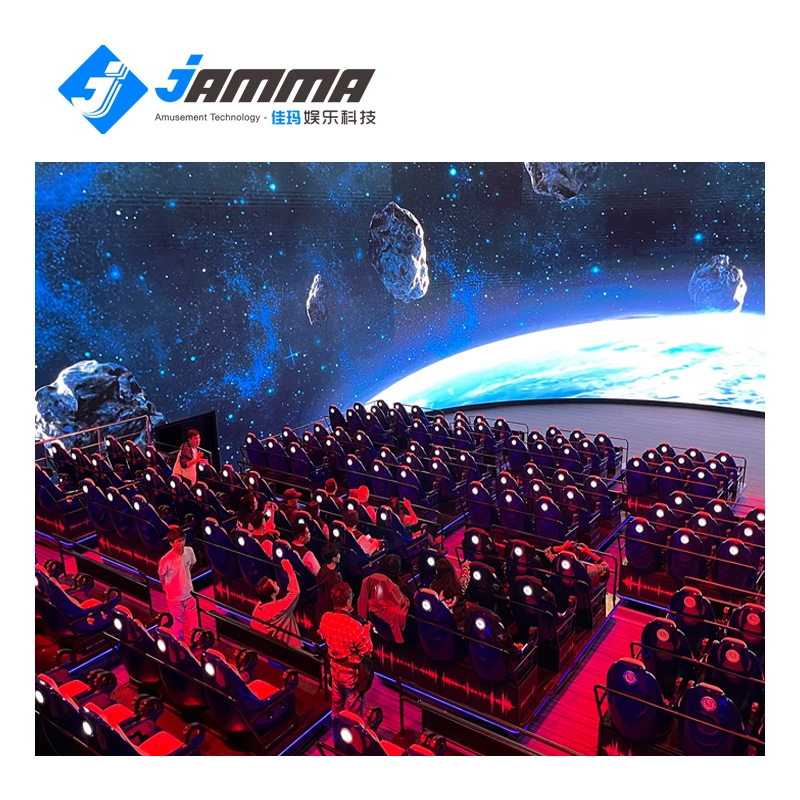
Immersive 5D/7D/9D cinema dynamic visual experience room
Compared with other types of theaters, 5D/7D/9D cinema have high technical content, prominent themes, and have a strong impact on the characteristics of the picture. With the increasing demand in the entertainment market and the continuous development of video entertainment technology, in the past, audiences would experience vibration, drop, rain, scratches and other effects in some 4D theaters, but now with 5D theaters, audiences can experience new Unique features, touch and feel effects such asreal smoke, water, snow, bubbles, smell, lightning, leg touch,camera system and more. When the audience is watching amovie, the seats and environmental effects will change into corresponding actions according to the development of the movie,allowing the audience to experience an immersive viewing experience.
